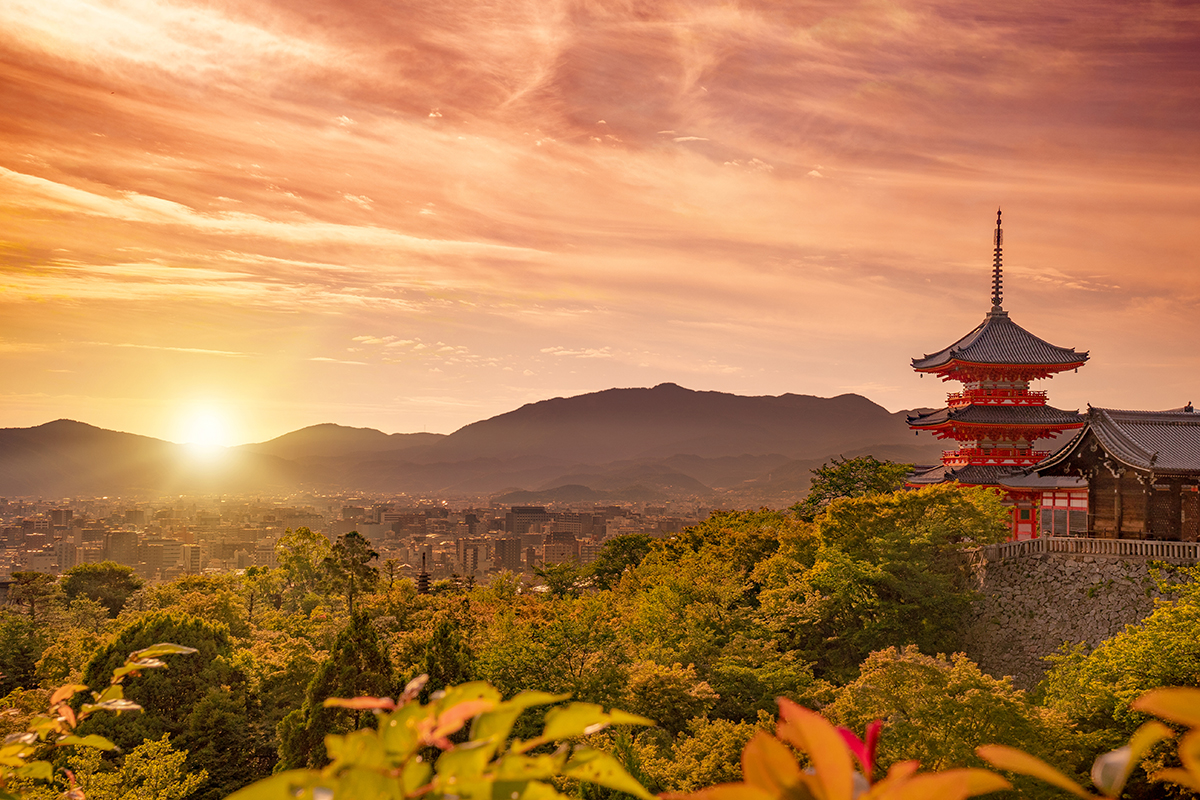
Everyone who moves to Kyoto has a pivotal moment. They might be somewhere ordinary — waiting for the 205 bus, walking back from school with their children, having dinner with their family and it suddenly strikes: I live here. Kyoto isn’t Kiyomizu-dera, or Gion or a day trip to Nara to see the deer. It’s home.
This guide is written for people seriously thinking about making the move and staying in Kyoto for good. It is not for travelers who want the top 10 temples list, but for people who need to know where to actually live, what the commute looks like and whether their kids can get a decent education.
The Neighborhoods Worth Knowing
Central Kyoto — Nakagyo Ward and Shimogyo Ward
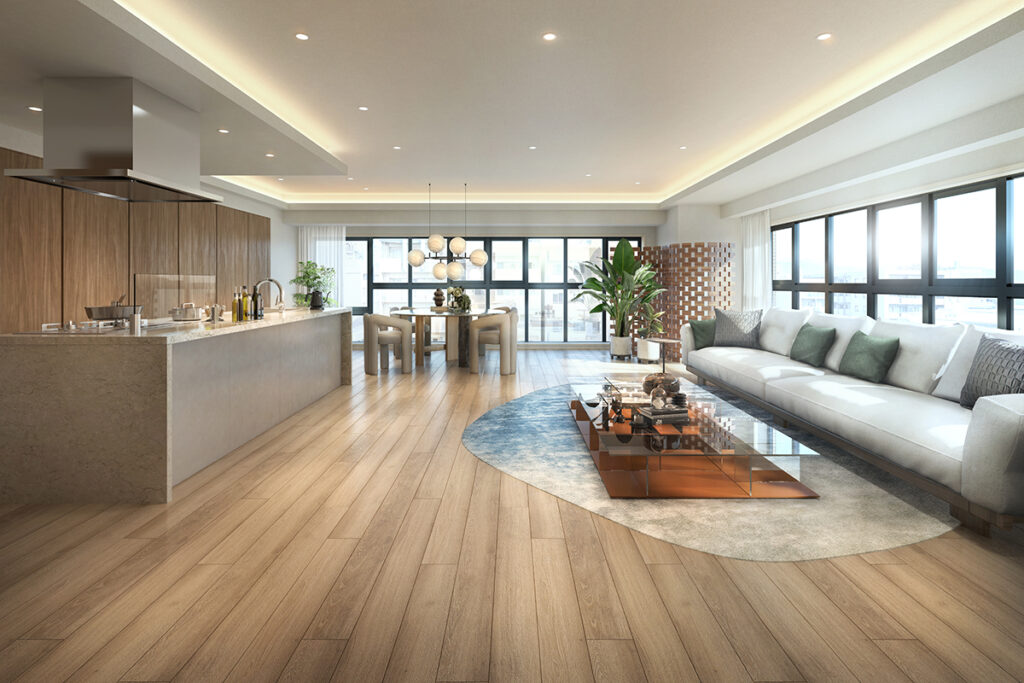
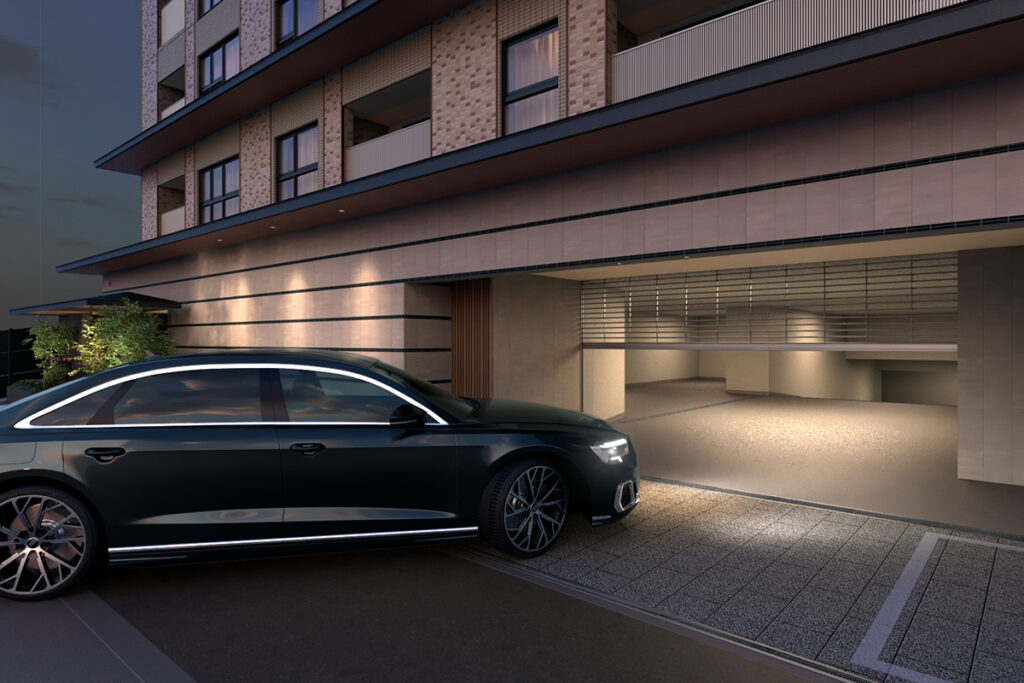
Nakagyo and Shimogyo are packed with some of the city’s most popular real estate. The Tanoji area — bounded by Oike and Gojo to the north and south, Horikawa and Kawaramachi to the west and east — contains Kyoto’s highest land prices and some of its most competitive rental demand.
Key benefits of the area include:
- Exceptional infrastructure: It’s walking distance from the Karasuma Subway Line, the Hankyu Line at Karasuma Station and an incredible density of good food and services. People who live in Nakagyo and Shimogyo rarely need to leave it for day-to-day necessities.
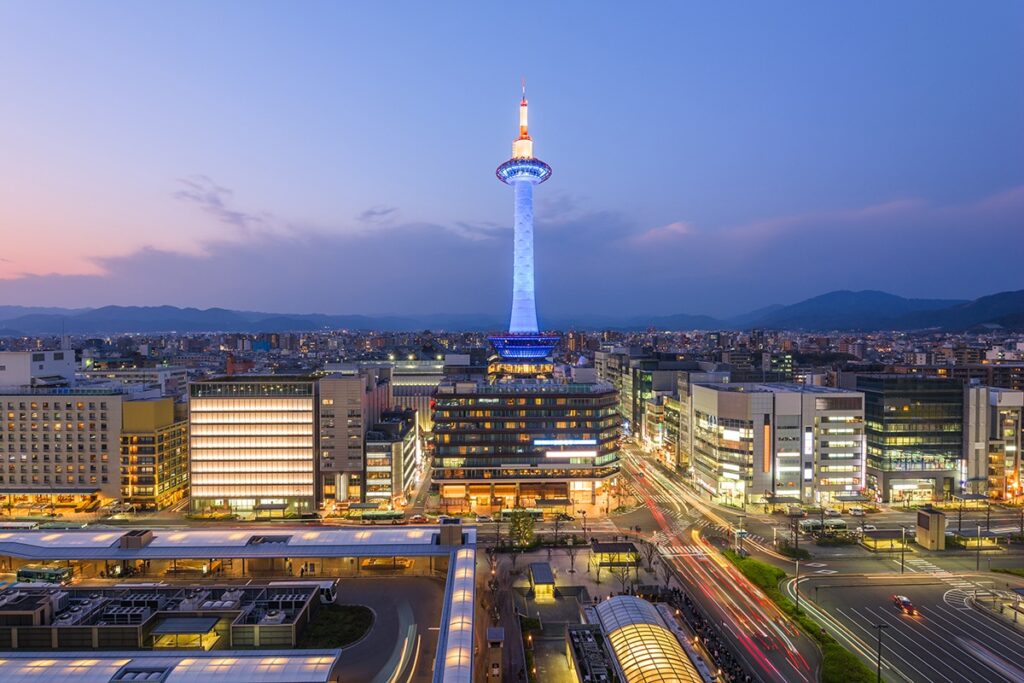
- Great connectivity: Shijo and Karasuma Stations (which share the same building), sit right at the southwest corner of this area. It’s one of the most connected points in the city, with the Hankyu Kyoto Line running directly to Osaka’s Umeda in around 43 minutes, and the Karasuma Subway Line giving easy north-south access up toward Kyoto Shiyakusho-mae and Kyoto Station to the south.
- Urban access: Living within a 10-minute walk of Shijo means you’re in daily touch with both a world-class Japanese city and the broader Kansai region. Young professionals and couples who want urban living without Tokyo prices look here first.
The Shijo-Kawaramachi intersection is functionally downtown Kyoto — Takashimaya department store, the DIY craft shops on Teramachi and the edge of Pontocho just a few minutes’ walk away. It’s loud, busy and sometimes overwhelmed with tourists during peak season, but for daily life, it functions extremely well.
The Gyoen Quarter — Kamigyo Ward
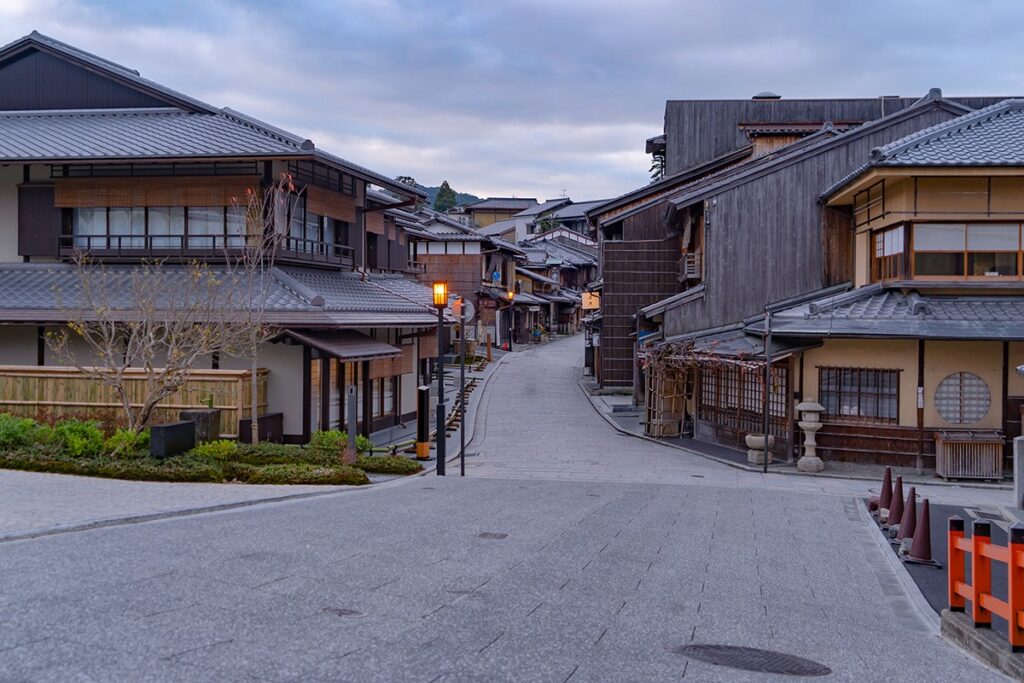
A couple of kilometers north, the atmosphere changes completely, and you go back in time.
Kamigyo Ward surrounds Kyoto Gyoen — a 65-hectare national garden that locals use as a park, running track, cherry-blossom venue and breath of fresh air. The park was once lined with the mansions of court nobles; what remains is open, wide and free. You can walk through it without queuing, for a relaxing stroll free of tourists.
On a weekday morning, it’s idyllic — joggers, elderly couples and a relaxing lull of conversations. This is not a tourist attraction; rather, it’s a neighborhood park that happens to contain the Imperial Palace.
The streets immediately around the park are mid-century residential, with a dentist, a konbini on the corner and a few small restaurants that have been there for decades prior and will likely be there decades on. The Karasuma Subway Line runs along the western edge at Marutamachi and Imadegawa stations, connecting the neighborhood south to Shijo and Kyoto Station in under 10 minutes.
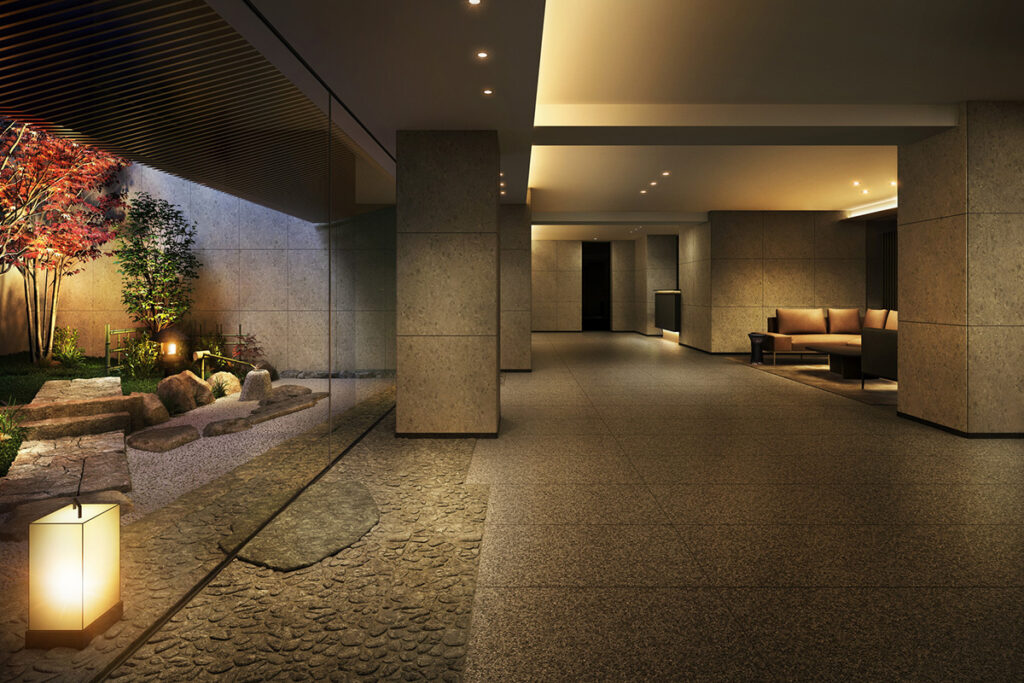
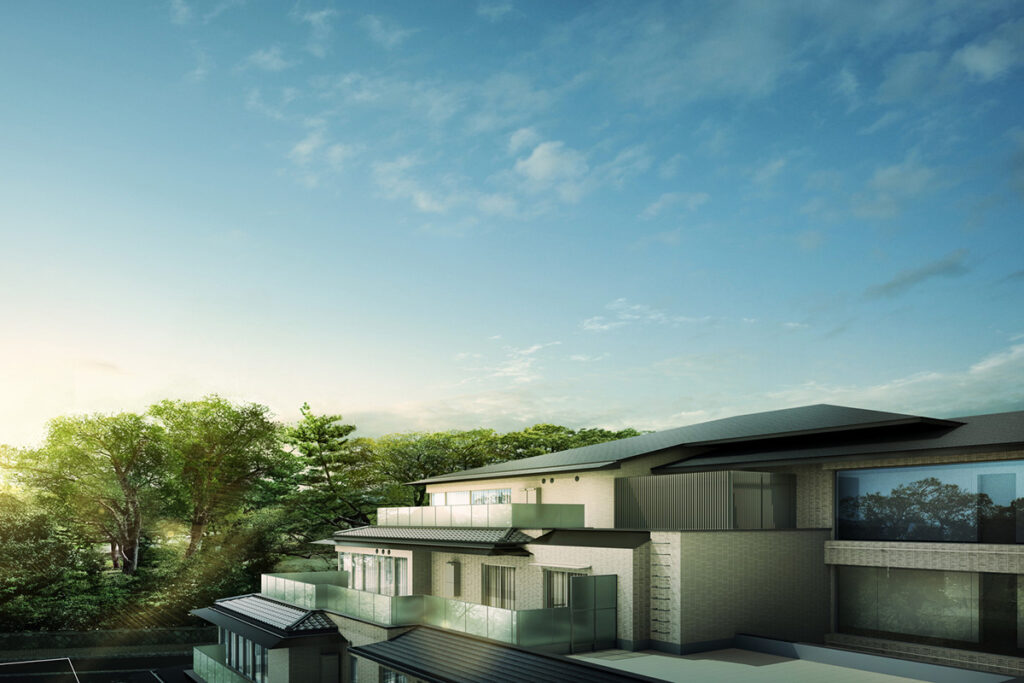
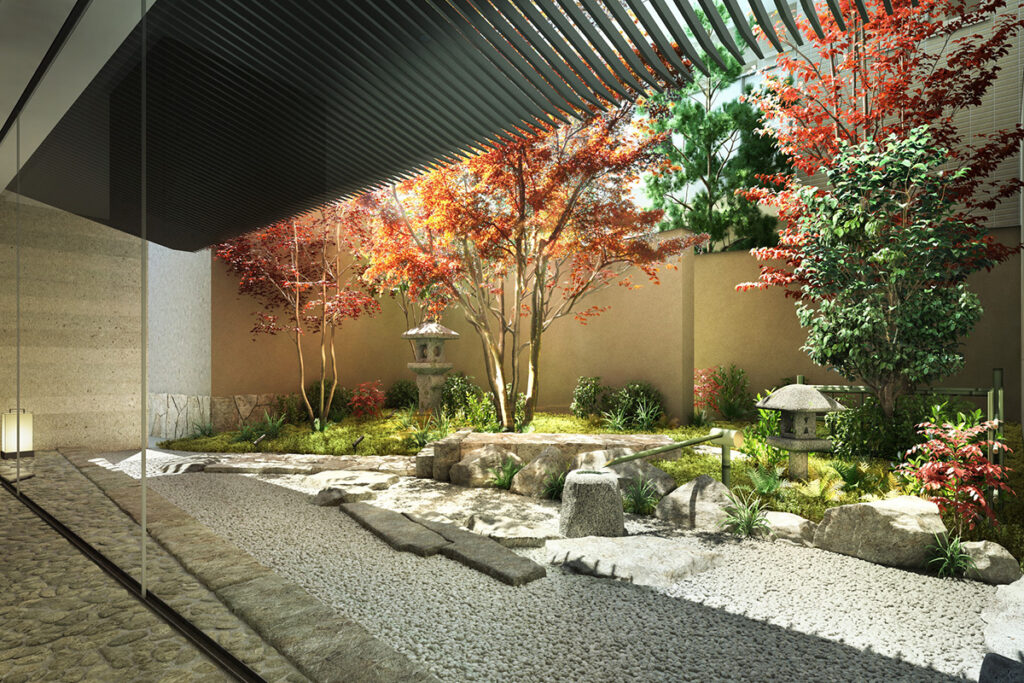
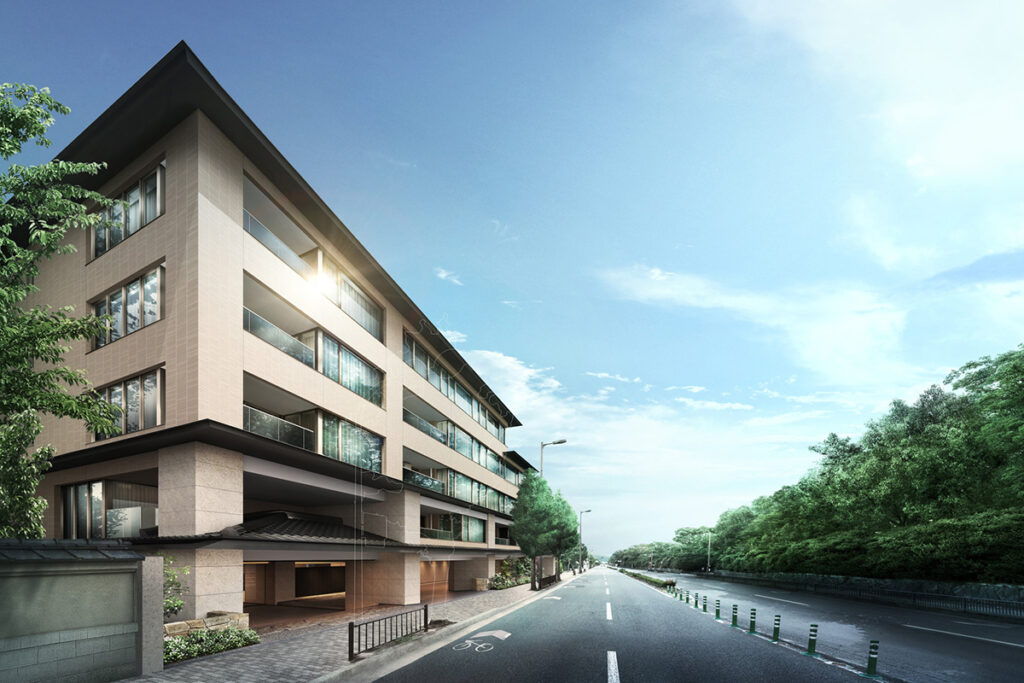
Property insights for Kamigyo:
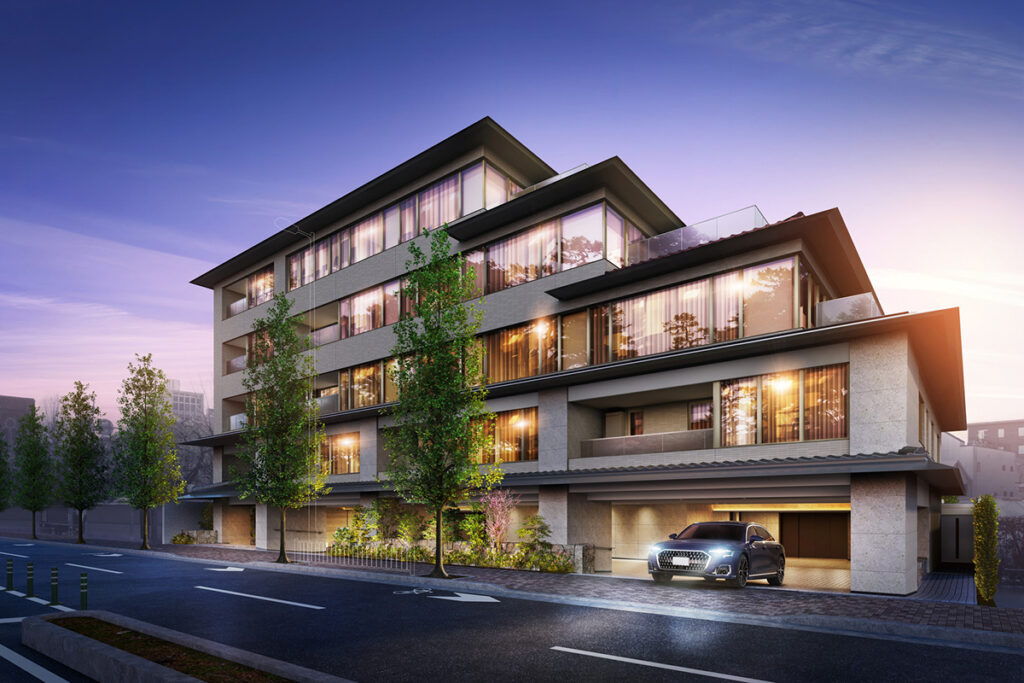
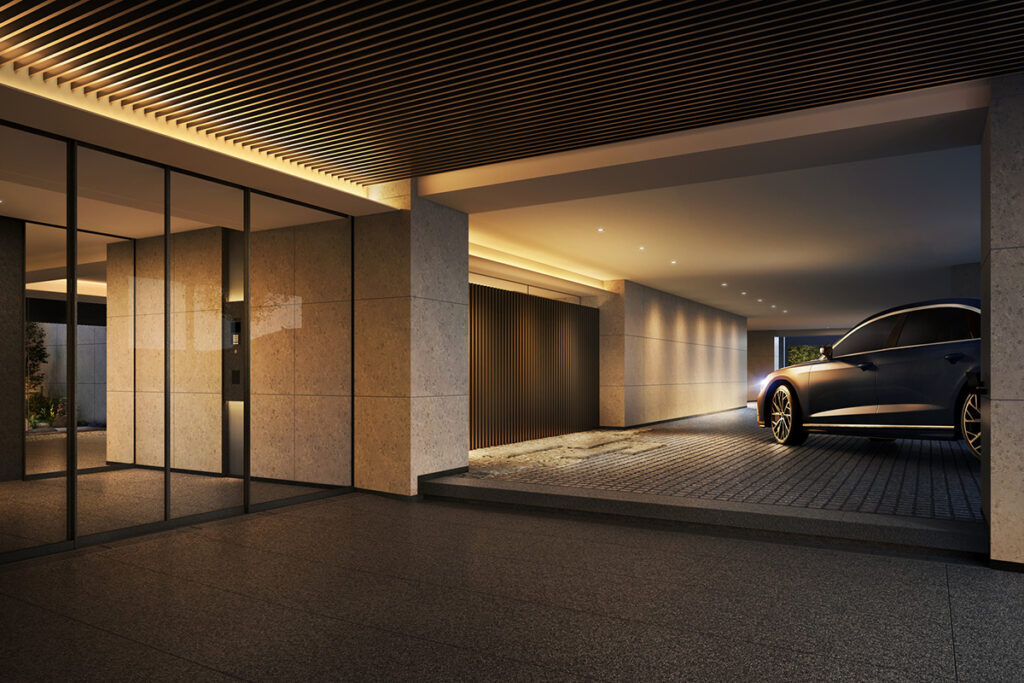
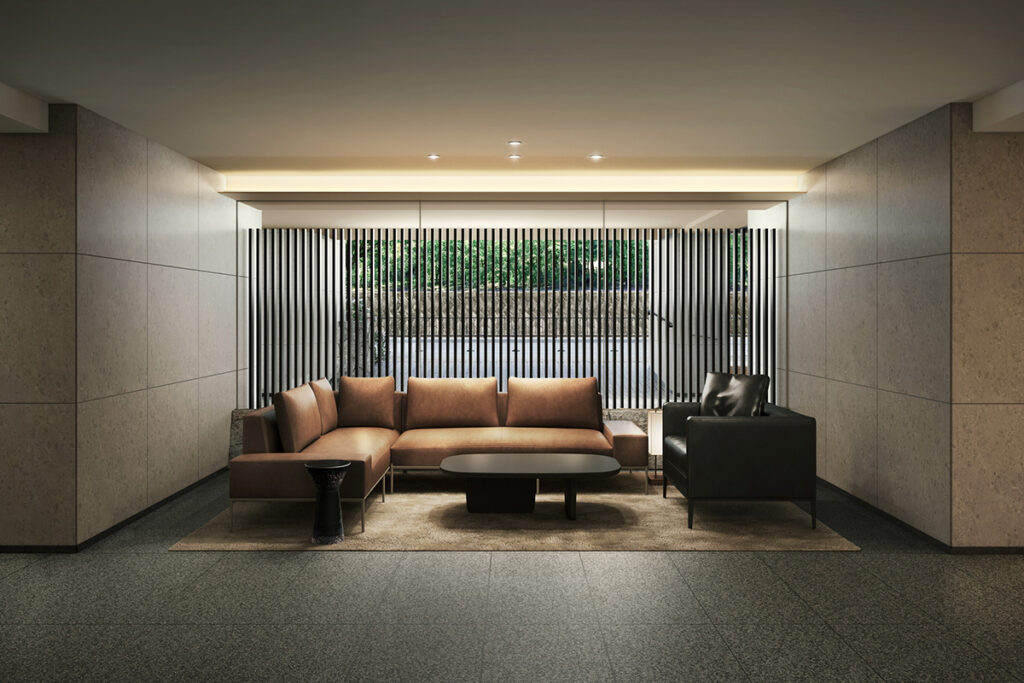
- Families and people who want residential calm find that this area holds well for long-term living.
- The housing stock near the palace tends toward larger floor plans than what you’d find in Nakagyo.
- Property values around Kamigyo remain among Kyoto’s strongest, with residential land near Marutamachi Station ranked as the prefecture’s highest-priced residential site in Diamond Real Estate Research Institute’s 2026 public land-price ranking.
Gion and Higashiyama
East of the Kamo River, there’s another shift. Higashiyama is gorgeous but not particularly practical to live in. Narrow lanes mean no parking, the tourist traffic from Kiyomizu-dera can make weekends exhausting and accommodation in the area skews toward preserved machiya townhouses that aren’t ideal for families. That said, a number of them do choose to live here and manage with these drawbacks.
Gion itself is more interesting as a residential choice than a buyer might assume. The area around Hanamikoji and the streets behind it is incredibly atmospheric at night — one of the few places in Japan where you might pass a maiko walking to an event — but it also has good grocery access and sits a short distance from Keihan’s Gion-Shijo station.
Arashiyama and the Western Districts
If you work from home and don’t need to commute, western Kyoto makes a case for itself. Arashiyama is significantly quieter than its tourist reputation suggests (once you’re a few blocks from the bamboo grove), the air feels cleaner and the cycling infrastructure along the Hozu River is exceptional. The trade-off is time — it’s a longer trip downtown, and public transport connections are less direct than in the city center.
Sakyo Ward — For the University-Adjacent
Demachiyanagi and the streets heading north into Sakyo are the domain of Kyoto University students, academics and people who want to be near the Kamo Delta over everything else. The neighborhood feels young and independent in a pleasant way. Bookshops and small galleries are dotted around the area, giving it a creative atmosphere. It’s good value for rent relative to central Kyoto, with solid subway access on the Karasuma Line.
Getting Around
- Subway: The subway is straightforward. Kyoto’s two lines — Karasuma (north-south) and Tozai (east-west) — don’t cover the whole city, but they cover what matters most efficiently. An ICOCA card or Suica handles everything, and the connections between subway, JR, Hankyu, Keihan and bus are reasonably seamless once you’ve got the logic of it.
- Buses: Buses are how you fill in the gaps. The city bus network is extensive, and the 205 and 206 loop lines cover much of the tourist and residential area. Be prepared for them to be slow during peak hours and overwhelmed during Gion Matsuri weekend — at some point in your first summer, you will stand at a stop watching three consecutive packed buses pass without stopping.
- Bicycles: The bicycle situation is excellent. Kyoto is famously flat — the grid streets and wide pavements make cycling practical in a way it isn’t in hillier Japanese cities. Most residents own at least one bike, and a bike makes a 20-minute walk into an eight-minute ride and opens the city up considerably.
- Regional Transit: For getting out of Kyoto, the Hankyu Line to Osaka (Umeda) takes roughly 43 minutes from Karasuma Station, right next to Shijo. The Shinkansen from Kyoto Station to Tokyo is about two hours and 15 minutes. Nara is 45 minutes away by JR. Kobe is about an hour. In terms of regional connectivity, few cities of Kyoto’s size are as well connected.
Food: What You’re Actually Going to Eat
Kyoto cuisine, also known as kyo-ryori, is a tradition with a philosophy that stretches back into history, and the city takes it seriously. The emphasis is on seasonal cuisine with measured portions, and the umami comes from dashi rather than meat fat. If you arrive from, say, Osaka’s fried-everything culture, it will feel a little restrained. Give it a few weeks.
Daily and Specialty Dining Options:
- Nishiki Market: Running east-west through the center of Nakagyo, these five blocks of covered shops and stalls sell fresh tofu, pickled vegetables, octopus on sticks, dried goods and the kind of local produce that doesn’t make it into the supermarket chains. It’s been called Kyoto’s kitchen for decades, but the epithet stands: for specialty ingredients and prepared foods, it’s a perfect stop. For daily shopping, you still need the supermarkets.
- Kaiseki: This multi-course, seasonal array of dishes is a high-end staple in a way that makes it worth doing at least occasionally. Tagoto on Shijo-dori, operating in various forms for well over a century, is an accessible introduction without requiring a reservation months out. Around Nakagyo and Shimogyo, Tominokoji-dori has quietly become a reliable address for serious cooking without the overhead of the top-end places.
- Obanzai: Most of what you’ll actually eat day-to-day is obanzai — the small-dish home cooking tradition of Kyoto, built around seasonal vegetables, tofu, fish and pickles. Several restaurants have formalized this into a regular dining format. Prices are reasonable but quality varies. Generally, the best ones are the ones with handwritten menus that change weekly.
- Izakayas and casual bites: Near Karasuma, the izakayas serve high volume and do competitively good jobs — Chao Chao on Sanjo Kiyamachi has been doing gyoza to long queues for years.
- Coffee: A bonus if you’re a coffee lover, the city is well-served. Kyoto has produced a disproportionate number of specialty roasters relative to its size.
Entertainment, Culture and How People Actually Spend Time
People arriving from Tokyo sometimes take a while to recalibrate. The arts culture here is naturally brilliant, but it operates differently — you actually have to seek it out. You’ll find Noh and Kyogen at the Kanze Kaikan, or textile exhibitions at the Nishijin Ori Kaikan that most foreigners never find.
Local cultural highlights include:
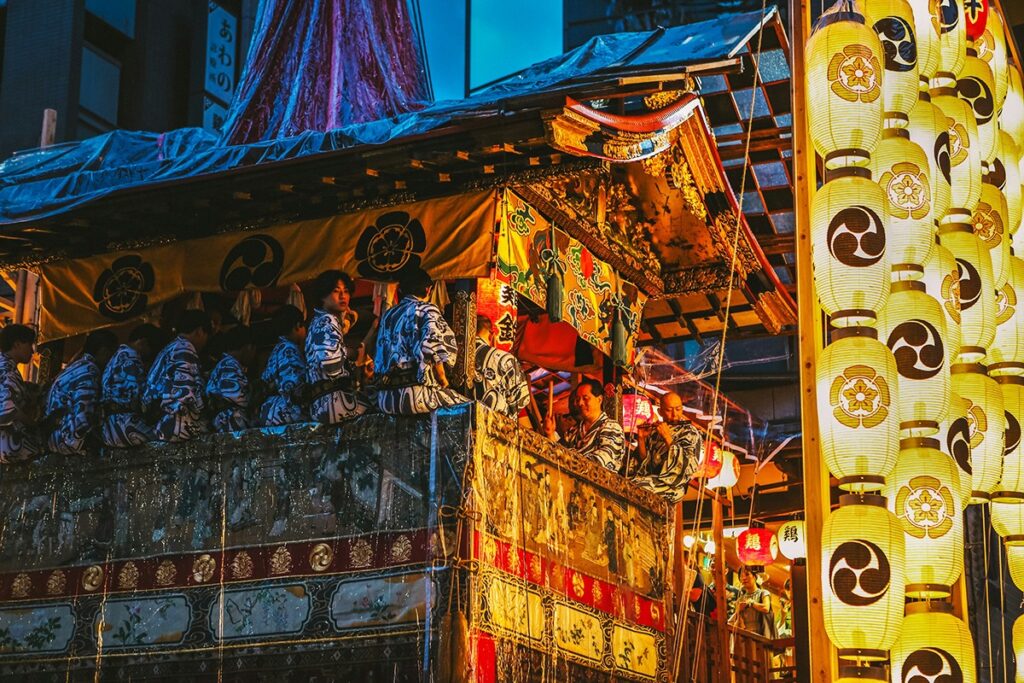
- Gion Matsuri: Don’t forget the Gion Matsuri in July, which isn’t curated for tourism — it shuts down sections of central Kyoto for two weeks of processions and street stalls because that’s simply what Kyoto becomes in July, and has become for over a thousand years. If you’re living near Shijo or anywhere in Nakagyo/Shimogyo Wards during that period, the yamaboko floats come through your neighborhood streets directly. You don’t go to the festival. The festival comes to you.
- Noh Performances: These happen regularly at the Kanze Kaikan in Okazaki.
- Museums and Gardens: The National Museum at Higashiyama puts on serious exhibitions — the permanent collection alone is worth visiting a few times. Getting into one of the smaller Daitokuji sub-temple gardens at the right moment in November costs almost nothing and is the kind of thing you do when you actually live in the city.
- Cinema: For film, Uplink Kyoto in the Shinpuhkan Building near Karasuma Oike shows international and independent cinema, and has a reliable schedule of documentary evenings.
- The Kamo River: Day-to-day, the Kamo riverbank is where life happens in the warmer months. In summer the noryo-yuka platforms appear — wooden decks cantilevered over the river from restaurants along Pontocho — and everything slows down that relaxed summer way. These are seasonal, deeply ingrained in Kyoto and not something a tourist on a three-day itinerary ever properly gets to use.
Schools: What Expat Families Need to Know
Kyoto has a smaller international school ecosystem than Tokyo or Kobe, and it’s worth deciding where you’ll be going with before you relocate with a 15-year-old.
International School Options:
- Kyoto International School (KIS): Located in Kamigyo Ward, this is the main English-medium option, running from preschool through 8th grade with an IB Primary Years Programme. It’s well-established, the community around it is tight and most families who end up here find it works. The campus is accessible from central Kyoto by bus in around 20 minutes, which is manageable but still a consideration when you’re doing it five days a week.
- Lycée Français International de Kyoto: Found nearby in Shimogyo ward, this runs all the way to age 18, which makes it the only option in the city for a complete K-12 international curriculum. If your kids are in the French system or you’re planning to stay long-term, this is a great choice. There’s a sizeable French-speaking expat community in Kyoto (Kyoto and France have a long historical relationship around textiles and craft), and the school reflects that reality.
The High School Gap:
The hard problem is secondary education in English past 8th grade. Canadian Academy in Kobe and Osaka International School are the realistic options, both commutable but with demanding commutes for teenagers — 40-plus minutes each way. Some families manage it fine; others find it unsustainable. There’s no easy solution here; this is a structural gap in Kyoto’s international education provision, and worth factoring into any decision that involves a high school-aged child.
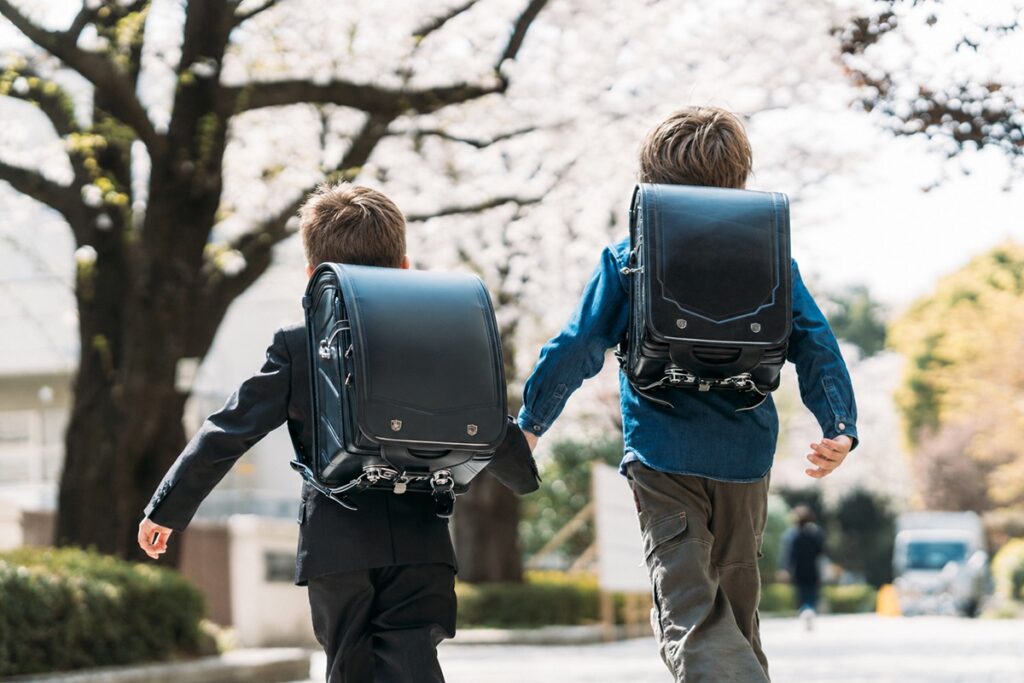
Japan’s public school system is free and rigorous, and plenty of expat families — especially those arriving with young children — go that route with private English tutoring alongside. It works well for some kids and badly for others, and there’s no reliable way to predict which in advance.
Notable Landmarks for Residents (Not Visitors)
Why are these different? They become part of your life, not the somewhere you go to once and photograph.
- Kyoto Gyoen (Imperial Palace Park): The best park in the city, arguably one of the best urban green spaces in Japan. It boasts 65 hectares of pines, plum trees, graveled paths and open lawn. Joggers use the circuits daily. Families spend weekends here. The cherry blossom crowds in April are substantial but manageable compared to the disaster of Maruyama Park. In summer it’s shady; in November the maples turn to a vibrant orange. Admission is free. Living within walking distance of the park is a boost to quality of life that’s hard to explain until you’ve had a year of using it regularly.
- Nishiki Market: Practical for food, excellent for gifts and worth walking end-to-end at least monthly.
- Fushimi Inari: Most people visit once or twice in the first few months, then less so. But the mountain trail behind the famous torii gates is good for hiking, and going on a weekday in February when the tourist crowds have evaporated is an entirely different experience.
- The Kamo River: Not a landmark exactly, but a geographic feature that anchors daily life for anyone living east of Karasuma. The riverside paths are where Kyoto exercises, socializes and takes a beat to themselves.
- Nijo Castle: UNESCO listed and an architecturally imposing sight, particularly the nightingale floors. Once you’ve lived here a while, you’ll end up taking visiting relatives there and rediscovering it properly.
The Property Market: What’s Actually Happening
Kyoto’s residential property market has been on a clear upward trajectory for several years running. According to trends monitored by the Ministry of Land, Infrastructure, Transport and Tourism, land prices in historic districts rose around 4% to 5% from 2024 through to present, above the national average.
Second-hand condo prices increased by roughly 15% between August 2023 and August 2024 in some sectors. Nakagyo Ward consistently commands the highest price levels in the city, supported by relentless rental demand and a structural supply problem — the height restrictions that protect Kyoto’s skyline also limit how much new housing can be built in central areas.
Pricing Realities:
Kyoto’s property market is highly area-specific, with each neighborhood offering distinct characteristics. In central Kyoto, the supply of high-quality residential properties remains limited, while demand continues to stay strong and consistent.
In highly desirable areas such as Karasuma, Shijo and Demachiyanagi, premium properties are often sold relatively quickly. Central Kyoto continues to attract consistent interest from both domestic and international buyers.
Three Properties Worth Knowing About
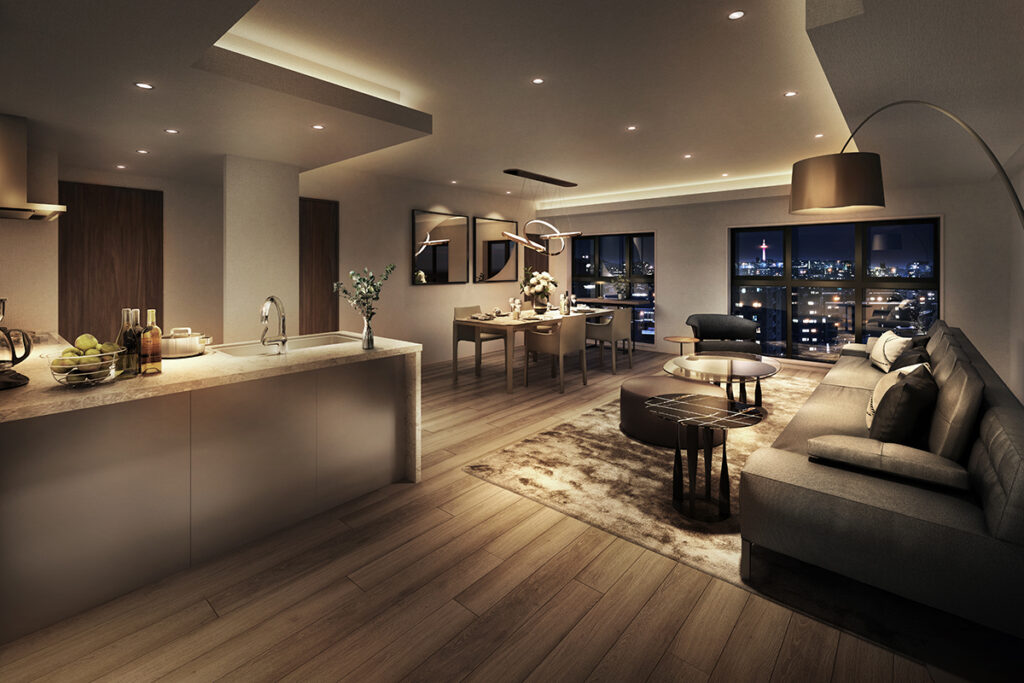
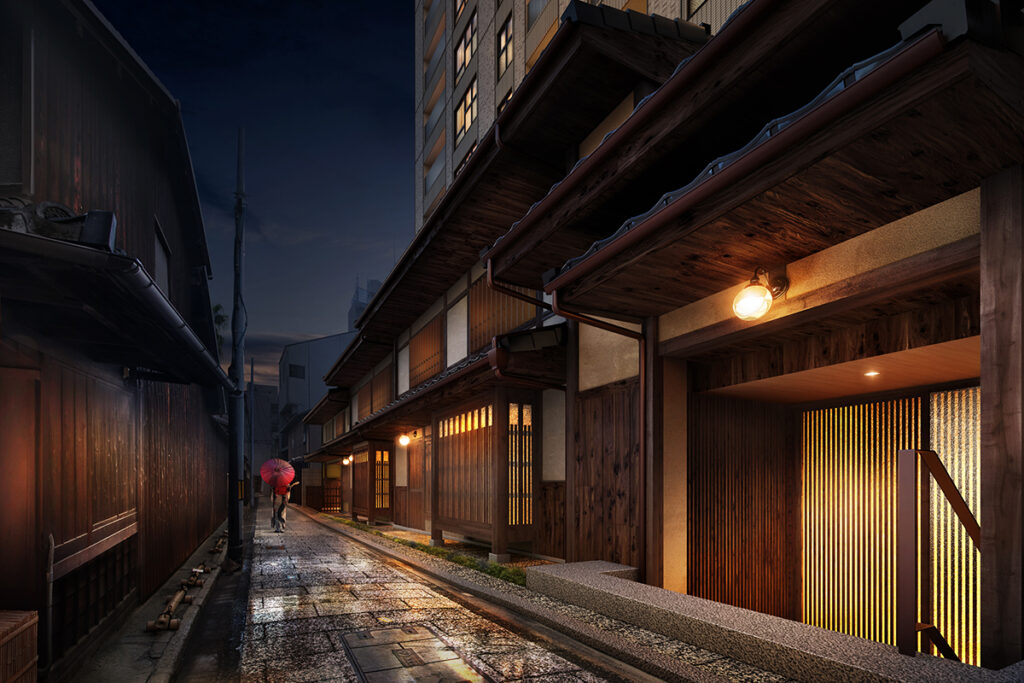
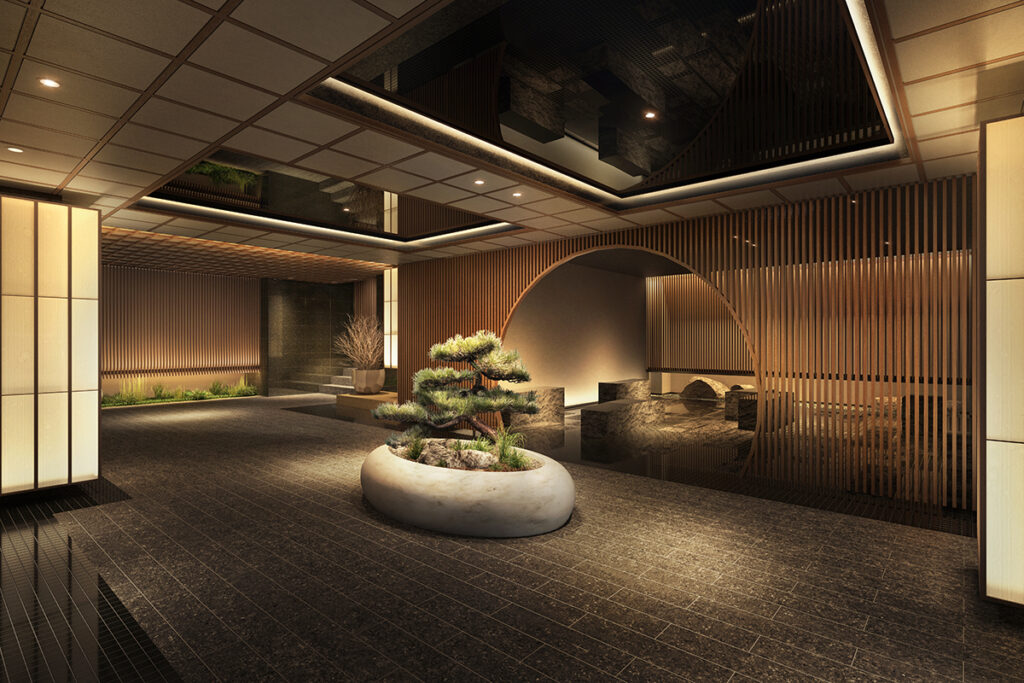
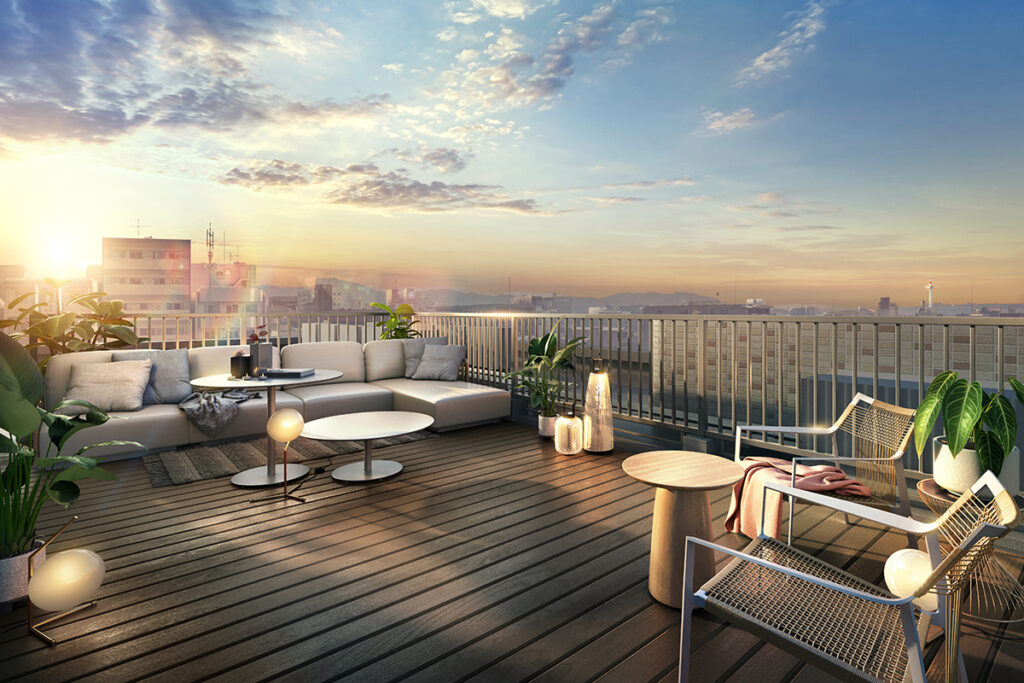
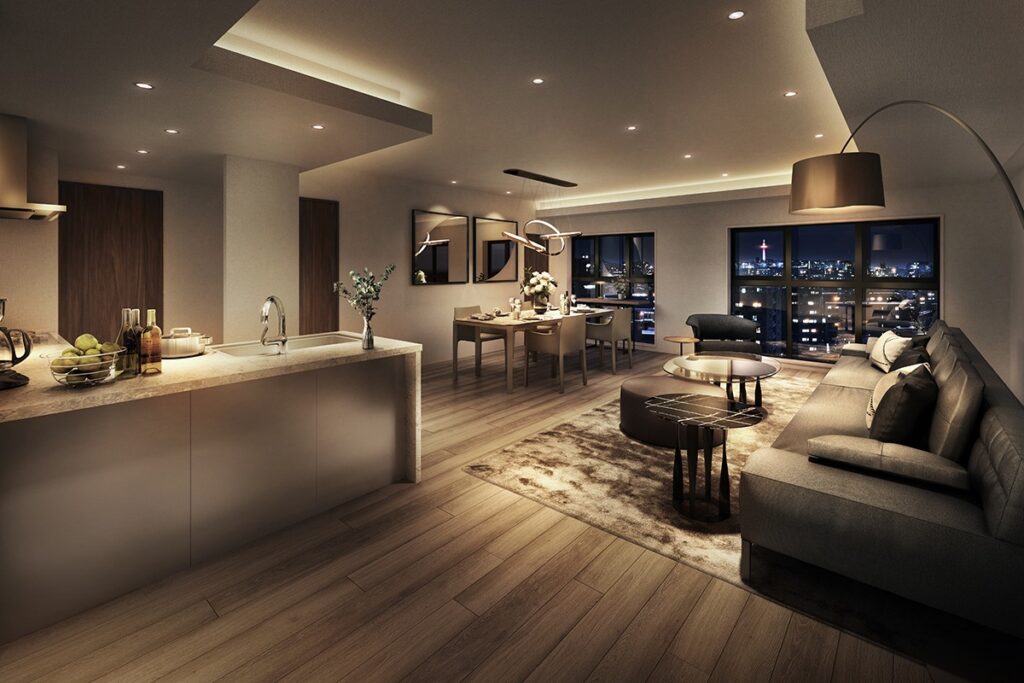
For people at the stage of actually looking, two current listings are worth highlighting — both in the areas this guide has argued make the most practical and lifestyle sense for long-term Kyoto living.
Centrally Located Kyoto Living in a Traditional Neighborhood (Nakagyo/Shimogyo)
This first property is near Shijo Station — the pocket this guide has described as the best-connected residential address in Kyoto. Shijo Station access means Osaka in 43 minutes, immediate reach to the Nishiki Market and Pontocho dining corridor and all the daily infrastructure that makes central Kyoto actually livable rather than just desirable in theory. The Duo Hills brand is a recognized condominium developer in Japan, and properties near this station rarely sit on the market long.
Luxury Condominium Space near Kyoto Imperial Palace (Kamigyo Ward)
The second is a residence adjacent to the Kyoto Gyoen. The address sits within walking distance of the palace park, with subway access on the Karasuma Line and all the residential qualities that make this neighborhood work so effectively for families and professionals. Given the premium that the Gyoen area commands and its track record for value stability, properties in this pocket are sought-after.
Traditional Kyoto Machiya Investment (Nakagyo Ward)
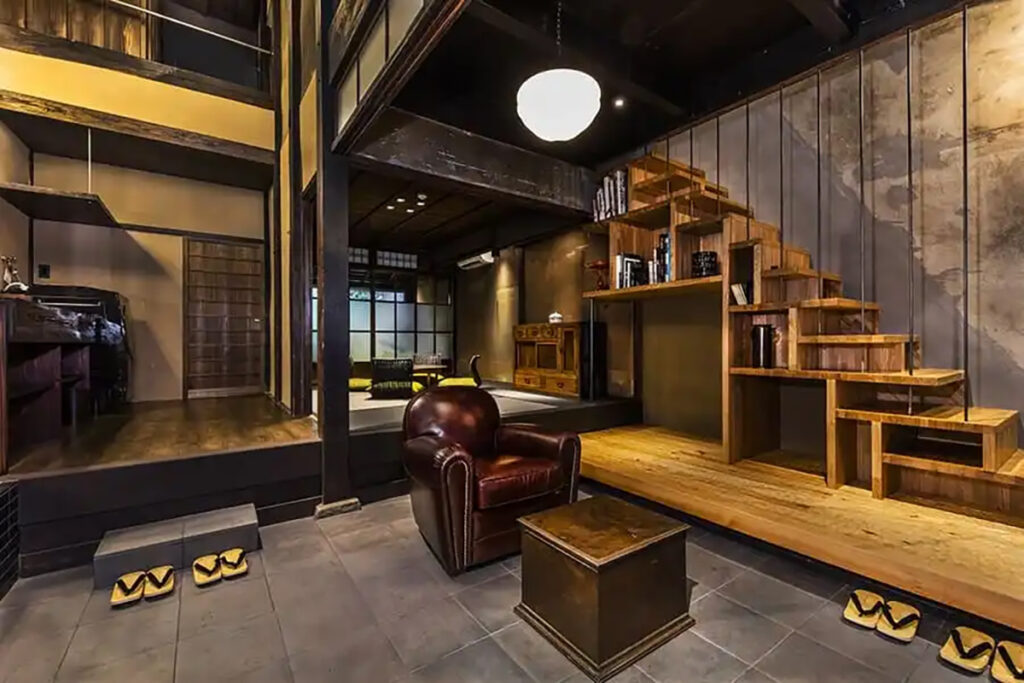
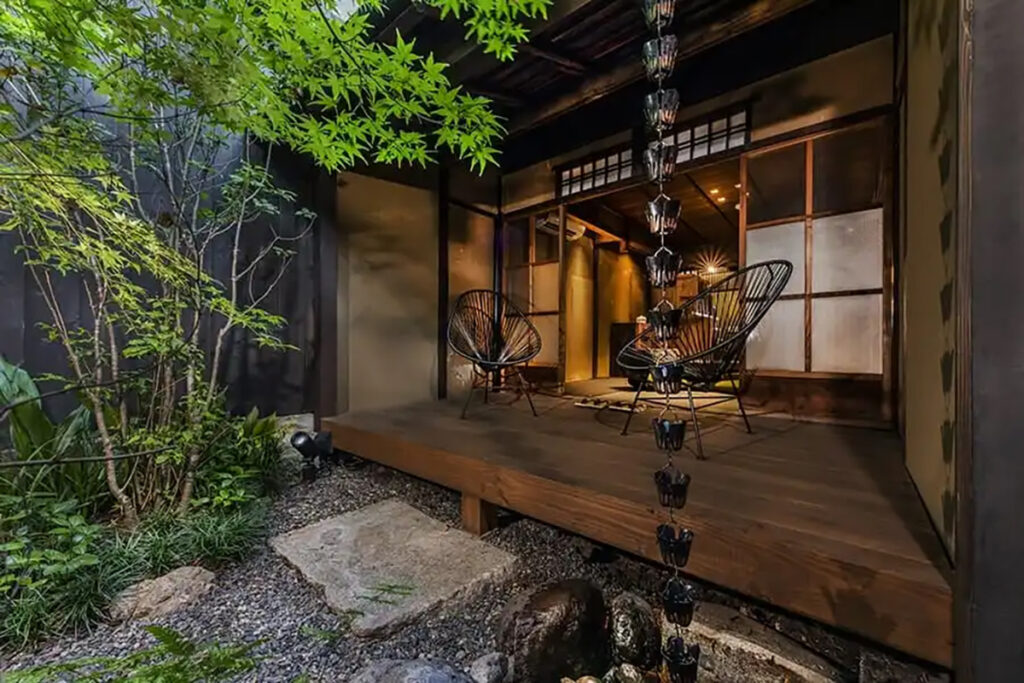
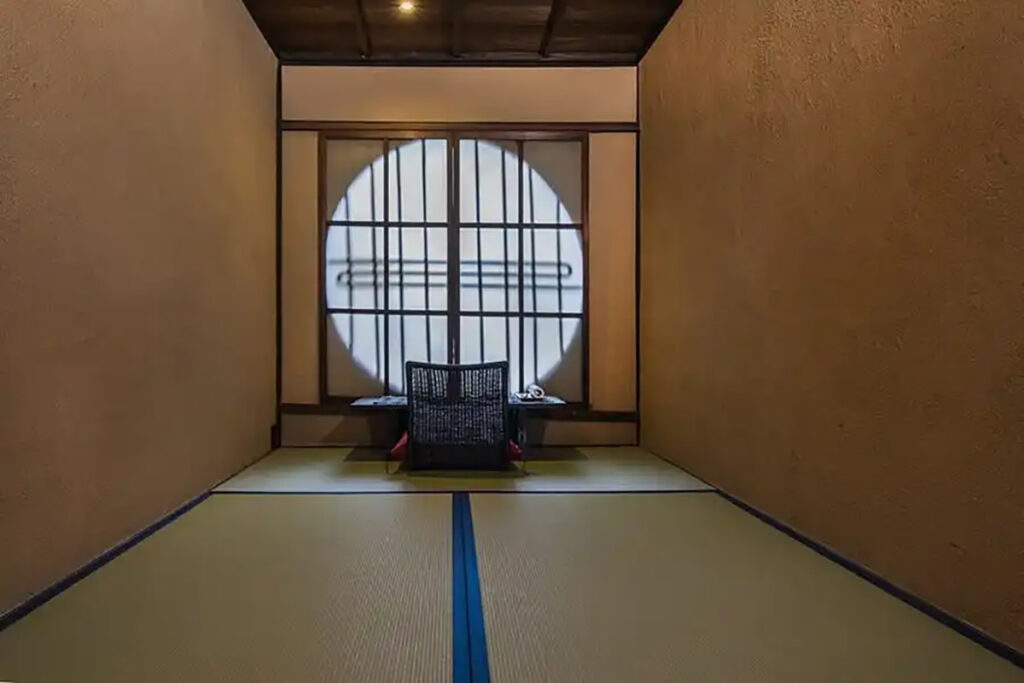
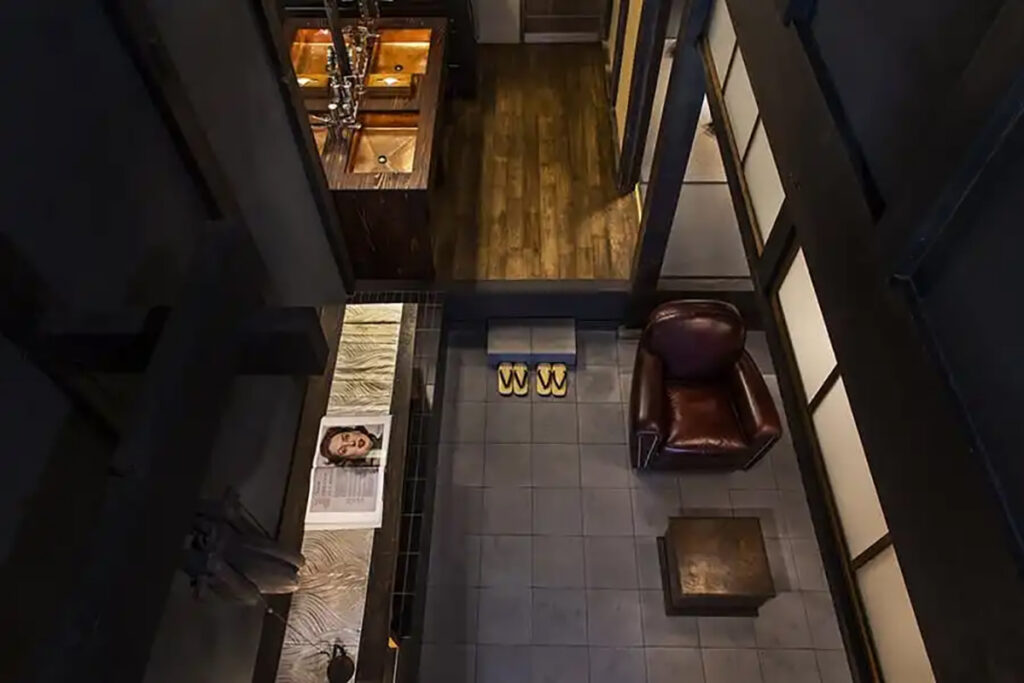
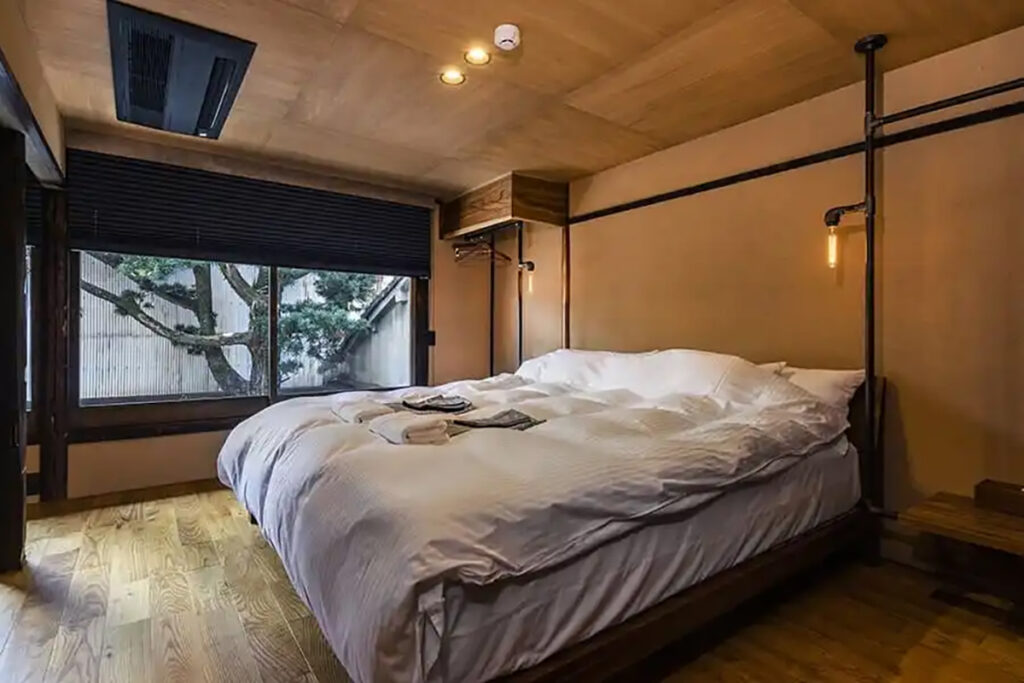
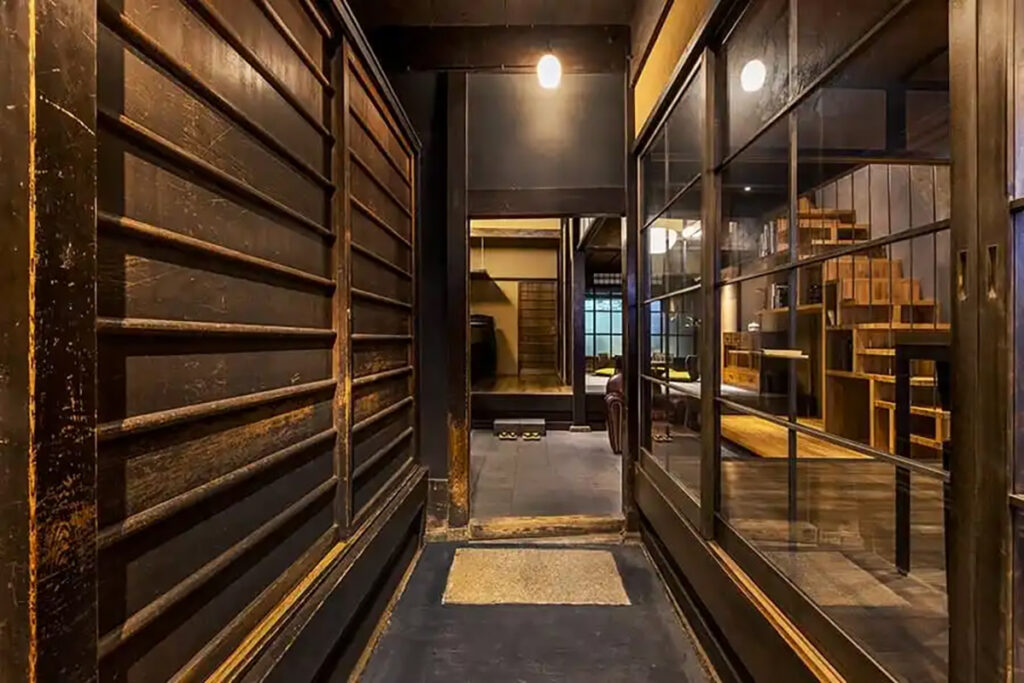
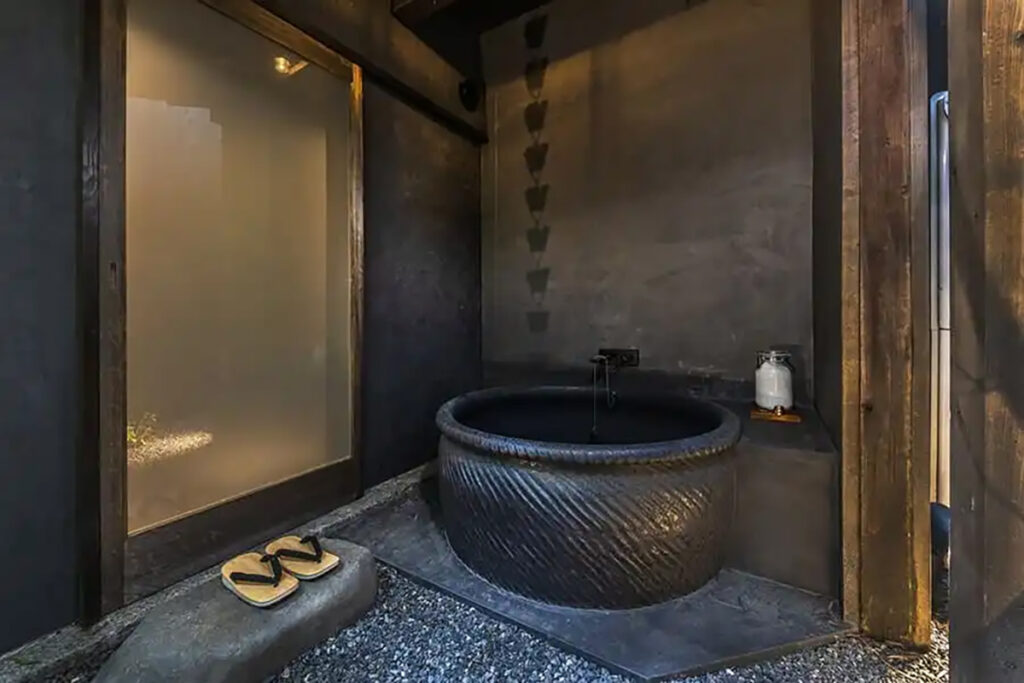
This third property is a classic machiya guesthouse located in the heart of Nakagyo Ward, perfectly blending historic architectural character with modern functionality. Currently operating as a licensed accommodation facility with a fixed-rent lease, it offers a rare opportunity to acquire a prepared, income-generating asset in one of Kyoto’s most desirable central districts.
Within just a 10-minute walk to Kyoto Shiyakusho-mae Station and 12 minutes to Karasuma Oike Station, it sits directly within the highly connected Tanoji area highlighted earlier in this guide, appealing directly to investors looking for enduring value tied to the city’s heritage.