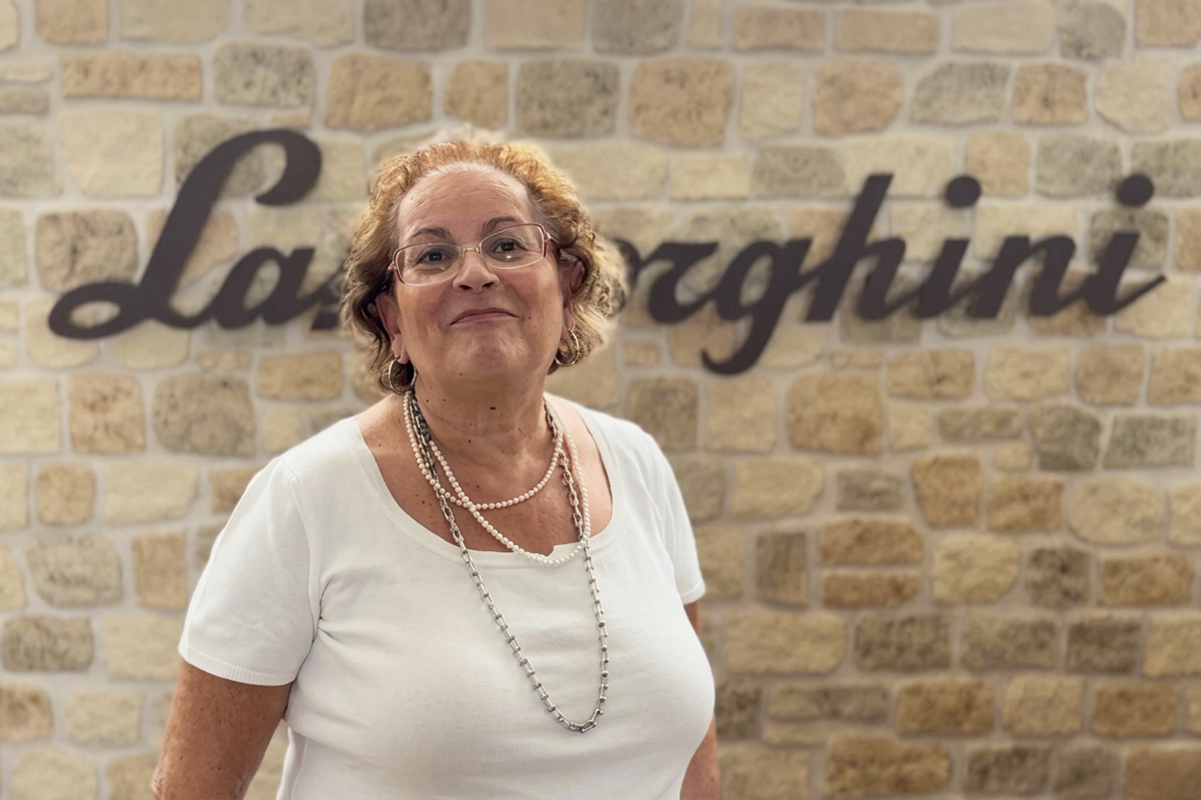
Paul Nikel arrived in Sapporo in 1991 with no real plan. He was young and was still open-minded enough to explore the depth of opportunity Japan had to offer. Thirty-five years later, he runs West Canada Homes, has learned Japanese, and knows the Niseko property market better than almost anyone. If you want to understand what living in Niseko actually means, beyond the powder and the Park Hyatt, Paul is a good person to listen to.
It took time to love it
Paul will tell you honestly that his early relationship with Hokkaido was complicated. The language was impenetrable, everything was in Japanese and Sapporo in 1991 offered foreigners almost zero support infrastructure. But something about the place held him. He grew up in Alberta, and Hokkaido reminded him of home: wide landscapes, the genuine four seasons, and a physical beauty that isn’t showing off.
As his Japanese improved, the culture opened up. The food, which is extraordinary in Hokkaido with dairy, seafood and produce, started to feel like a pleasure rather than an obstacle. He met his wife. He built a company. The early reluctance turned into something that looks, from the outside, a lot like belonging.
That journey matters if you’re thinking about moving here. Niseko rewards patience and curiosity. It does not hand itself over immediately.
How Niseko became Niseko
When Paul first skied in Niseko in 1992, the mountain was exceptional and the accommodation was terrible. No condominiums. No real options for a foreigner who wanted to stay longer than a weekend. Almost entirely Japanese guests. He wanted to stay but there was simply nowhere appealing to stay.
The first outsiders who changed that were Australian backpackers in the mid-to-late 1990s, who discovered the promise of the area. After that came Cathay Pacific pilots: they had money, time between flights and a taste for serious skiing. They started buying land and building small places. That cracked the door open. Individual buyers from various countries arrived in the early 2000s. Then, in 2004 and 2005, Hong Kong capital came in volume, and with it came financial confidence.
What made all of this possible was a piece of economic history most people don’t know. Niseko’s land had been bought up by the Japanese during the bubble economy of the 1970s and 80s. When that bubble burst, the domestic tourism dried up, the loans came due and landowners ran into tough financial times. Foreign buyers arrived at exactly the right moment into a market with motivated sellers and significant inventory. The result is the eclectic, varied Niseko that exists today: many owners, many styles but no single dominant force.
Hakuba, by contrast, has a centuries-old storied history, with multigenerational families rooted in the area. Twenty years ago, a single well-capitalised Australian buyer acquired enormous parcels of land and waited for the market to peak. That creates a very different dynamic for buyers: less competition, less diversity and one party with outsized pricing power. Paul describes Hakuba as roughly where Niseko was twenty years ago, which sounds appealing, but the land ownership structure is something to understand before you commit.
The challenges of Hirafu
Hirafu, despite its seemingly perfect location, is a challenge to live in.
As the central village area at the base of the mountain, is spectacular to visit. The mix there is unlike anywhere else: luxury hotels next to basic hostels, restaurants covering every cuisine and price point, bars that run until morning during peak season. It’s vibrant and noisy and fun. But as a place to actually live, it grinds you down. It’s a tourist economy masquerading as a town, and after a winter or two, the smallness of it becomes stifling.
Meanwhile, you never have to worry about Niseko being too small. Paul describes it as the ideal place to “find your anonymity.” The space the area offers draws you away from the noise and crowds, while you’re close enough to everything the mountain offers. You just come home to somewhere that doesn’t feel like a tourist hotspot.
Three seasons nobody talks about
The skiing is why people arrive. The other three seasons are why people should stay.
Summer in Hokkaido doesn’t punish you the way the rest of Japan does. You can be outside, moving around, without the suffocating heat and humidity that makes Tokyo in August an endurance exercise. Lake Toya, forty minutes from Niseko, is a caldera lake that Paul compares to Lake Como, perfect for boating, kayaking or swimming. For families with young children, the outdoor infrastructure here is well-designed in a delightfully surprising way.
Autumn might be the best season of all. The hillsides turn. The crowds disappear. Festivals and community events fill the calendar, and the social mix, international and genuinely friendly, produces a warmth that catches people off guard. The sense that there’s nothing to do in a ski resort once the snow melts evaporates fast once you actually live here.
Sapporo is ninety minutes away by car and answers most remaining questions. It’s Japan’s fifth-largest city: big enough for comprehensive medical care, good restaurants, real shopping, the Sapporo Beer Festival (three weeks, no trouble, consistently good fun) but without the cost or scale of Tokyo. The city has changed enormously since Paul arrived; you can live there today with minimal Japanese. Many real estate companies handle transactions in English, Chinese and other languages.
Additionally for families, Hokkaido International School (HIS) is a game-changer. With 300 students spread across its Niseko and Sapporo campuses, it offers premier education to the entire area. Its presence means that choosing Niseko doesn’t mean choosing between skiing and your children’s education.
What it costs you
The bargains of the early 2000s are gone. The market has matured, prices reflect Niseko’s global reputation, and anyone expecting to find hidden value in central Hirafu is going to e disappointed.
What you get for current market prices is world-class skiing, extraordinary nature year-round, an international community that has largely settled past the competitive pettiness that came with the boom years which Paul puts around 2018. International flight connections through New Chitose Airport are improving, with direct routes to North America making winter arrivals significantly easier than they were even a few years ago.
Paul arrived in Hokkaido thirty-five years ago without a plan. Most people who end up staying in Niseko arrive the same way. That’s either a warning or an invitation, depending on what you’ll do once you’re there.
West Canada Homes provides English and Japanese construction and real estate services across Niseko and Sapporo. Visit westcanadahomes.com.