Niseko’s reputation and resorts were built on its pristine powder snow. Despite this, architect Yosuke Tomiya has spent his career arguing that the region, and the homes built in it, have far more to offer across all four seasons.
Based in Sapporo, Hokkaido Prefecture, Tomiya has designed homes and vacation properties throughout the area, including condominiums in Niseko. I sat down with him to talk about his design philosophy, the realities of building in one of Japan’s winter strongholds and what anyone considering a home in Niseko should keep in mind.
Is there a core philosophy that runs through your design?
For me, building begins with reading the site carefully. No two sites are the same: the microclimate, topography, neighbouring buildings, views and the surrounding community each factor into a potential design. Rather than treating those as constraints, I try to see them as possibilities. I start by looking closely at what’s already there, then asking how architecture can draw out the full potential of that place.
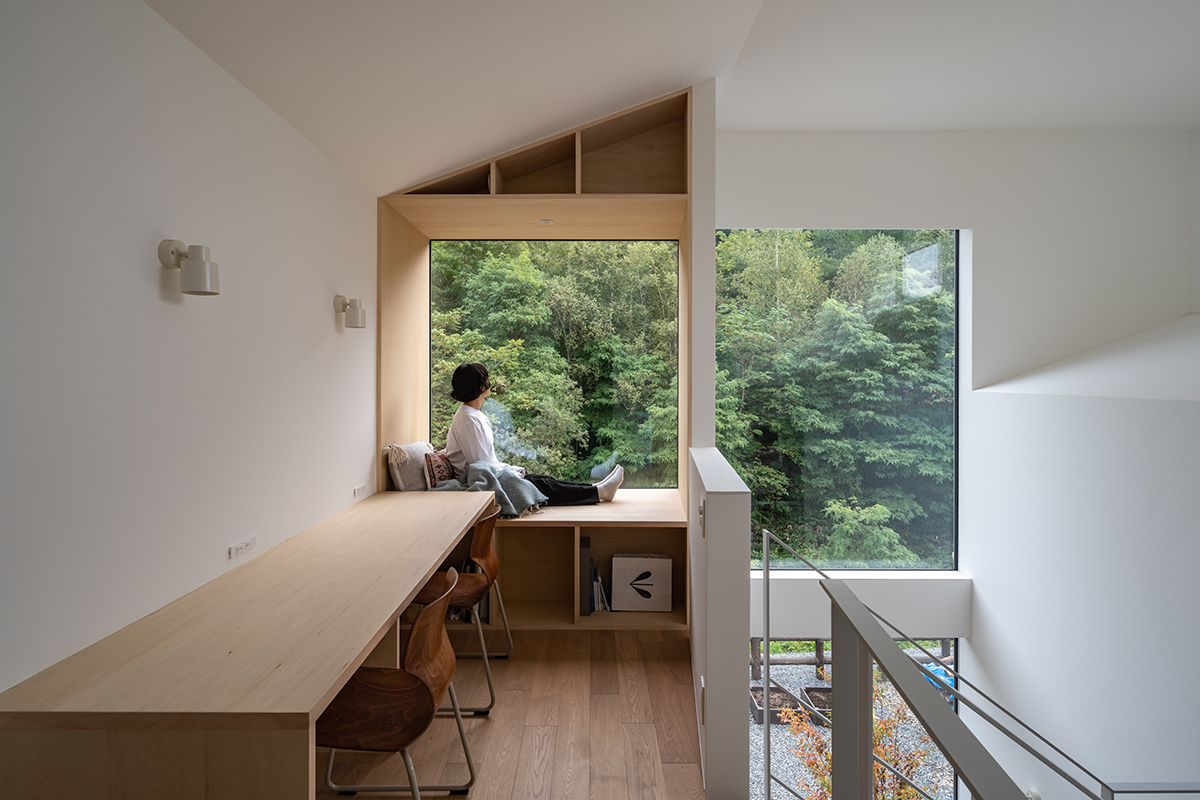
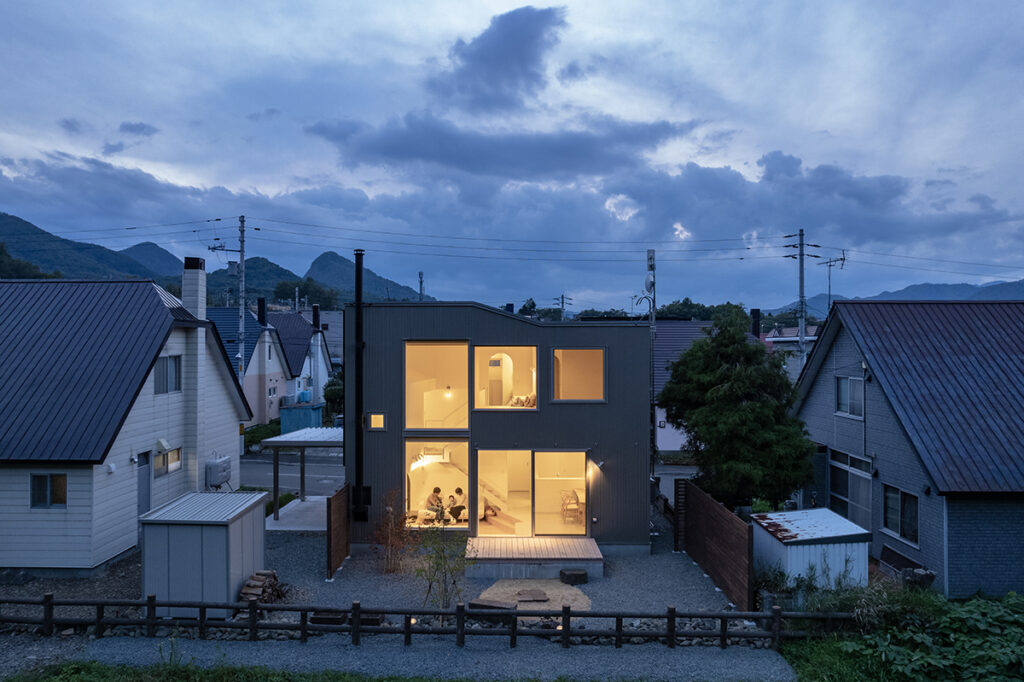
In Hokkaido, the climate is one of my primary considerations. We have deep snow in winter, temperate transitional seasons, and increasingly hot summers. My architecture has to protect people from those conditions, but it can do much more — a window can frame falling snow for an intimate winter retreat. Meanwhile in warmer months the same window can open up and let the air circulate to let in the bright summer air. That’s what seeing possibilities instead of constraints helps me visualize.
What first drew you to architecture?
As a child I loved making things, and I loved showing them to someone afterward and seeing their reaction. Making something and the joy the recipient felt through it has always been connected to me.
By the time I reached high school, architecture seemed like a way to turn that instinct into a career. It was a way for me to design something and eventually hand that piece of artistry to someone to actually live in. Even now, walking into a completed building for the first time can be more staggering than I expect. That rush of feeling still drives me.
You’ve worked in Niseko across different stages of your career. What makes designing a home there unique?
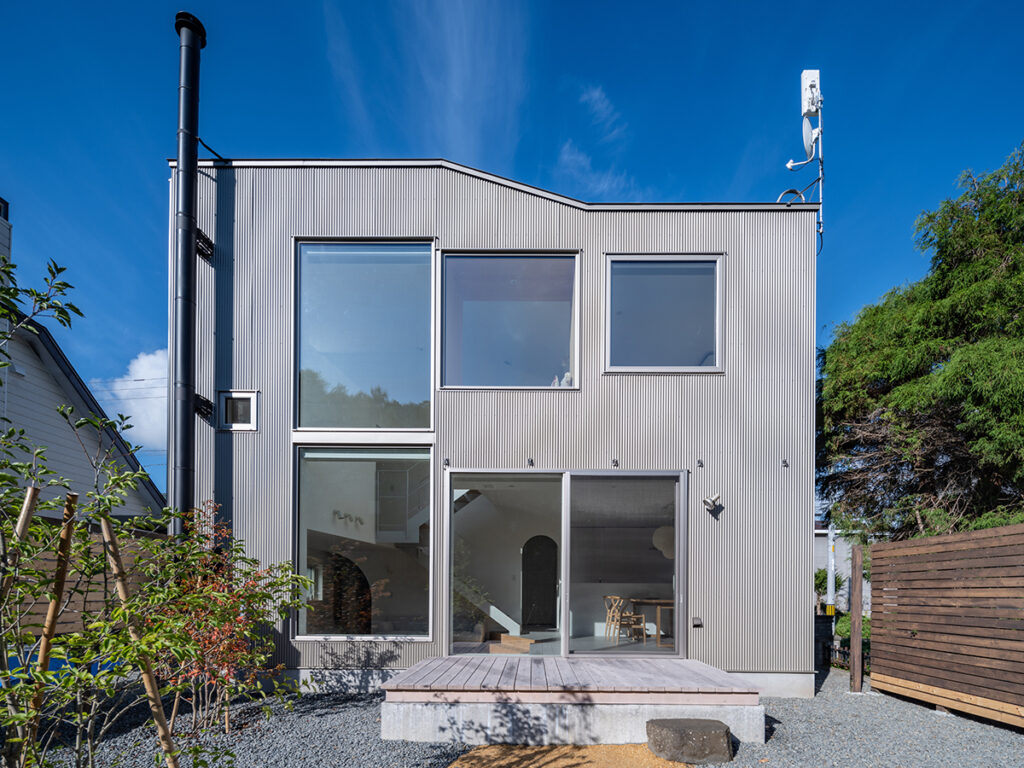
Niseko is an international resort, and people arrive from all over the world. A house there still needs all of the basic comforts of a home, but I think it should also offer something that could only happen in this corner of the world. Mount Yotei, the ski terrain, the forests, the snow — these are all part of Niseko’s identity. So when I design, through the placement of windows and openings, I want people to stay aware of where they are even while comfortably warm indoors.
But that same landscape can be demanding. Consider the heavy snowfall and freezing temperatures. Having practised in Sapporo and across Hokkaido for years, I’ve built up real experience designing for snow and cold, and now increasingly for summer heat too. My personal goal is to move from simply protecting people from the climate’s severity to doing so without cutting them off from it.
Your philosophy is about bringing nature and the changing seasons into everyday life. What does that look like in practice?
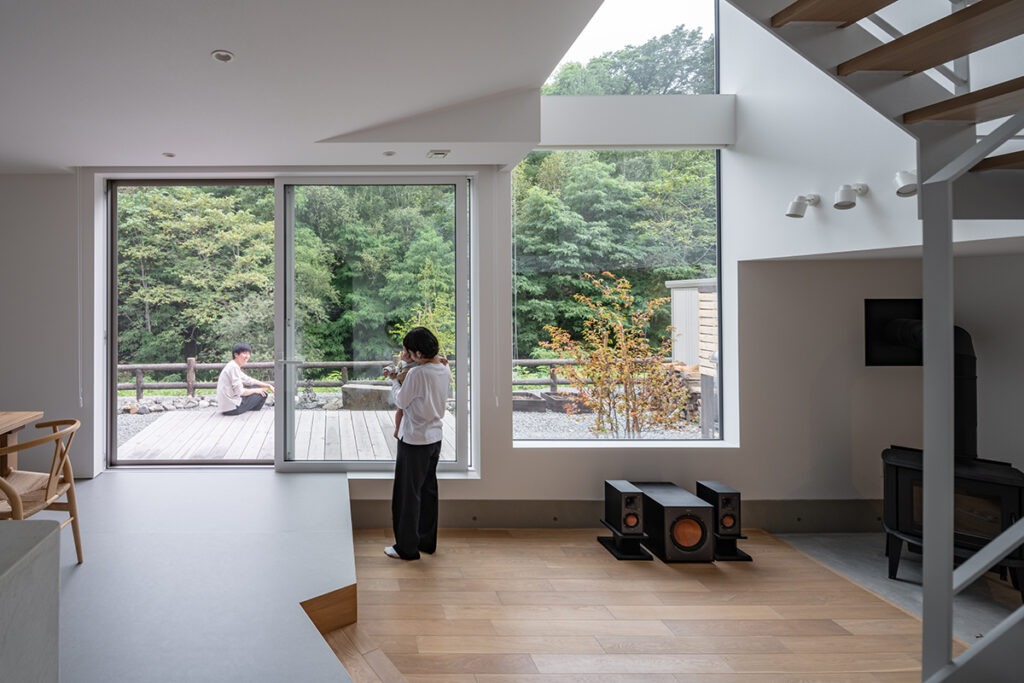
We experience architecture every day through our senses, not just theoretically. So a sense of luxury doesn’t come from a design or the use of expensive materials alone. To me, it comes from how you actually feel in the space we’ve created. It’s captured in moments: breakfast in soft morning light with trees visible through a window. A cooling breeze flowing through the home in summer. Sitting in a warm room in winter while watching the snow fall, a fire crackling nearby.
A building always creates a boundary between inside and outside, but I don’t want that boundary to fully separate people from nature. A window can block the cold while keeping a visual connection to the landscape, then open completely once the weather turns mild.
How do you insulate people from the cold without isolating them from the very weather that draws them there?
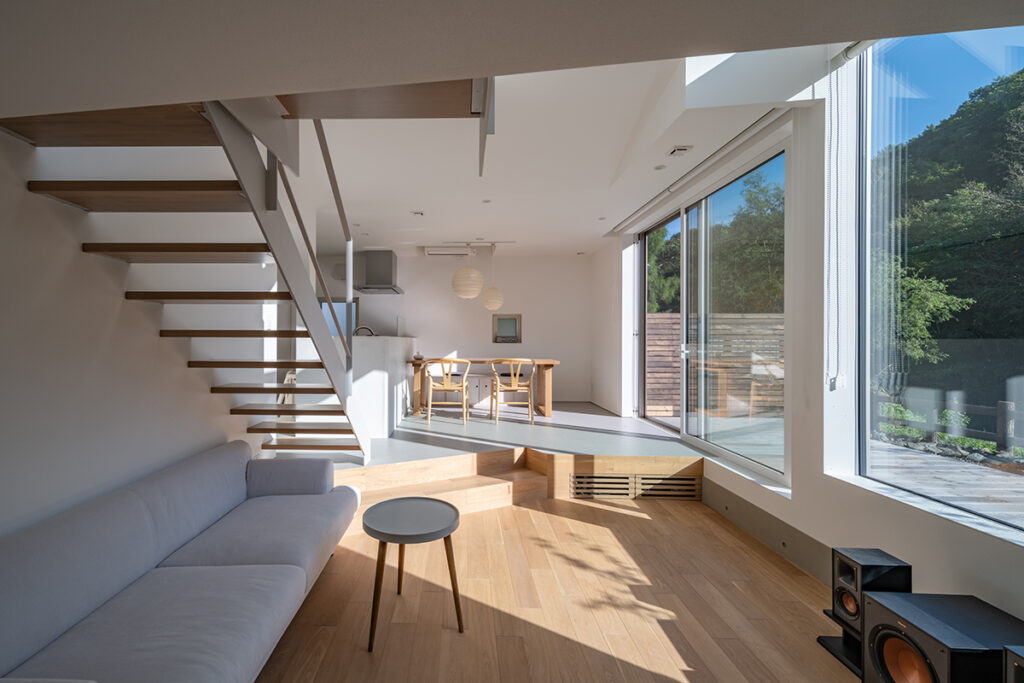
Building technology has come a long way: we can now install large, highly transparent windows with excellent thermal performance. They stay sealed through a blizzard, then open wide once the season allows it. There’s something special about experiencing the contrast directly: a storm outside, Mount Yotei just visible through the glass, and a warm, quiet room with a fire on the other side of that same window.
Deep eaves help too, creating distance between the windows and blowing snow while keeping the view open. And heating matters as much as glazing. Radiant heat systems like underfloor or hot-water panel heating create even, comfortable warmth throughout a home, while a fireplace adds visible, felt warmth on top of that. Nowadays, keeping out the cold doesn’t have to mean keeping out the beauty of winter.
How do the other seasons shape your designs?
It’s easy, in a place with such severe winters, to fall into the trap of designing purely around protection from the cold. A good layer of insulation is essential, but if that’s all you plan for, buildings become too closed off.
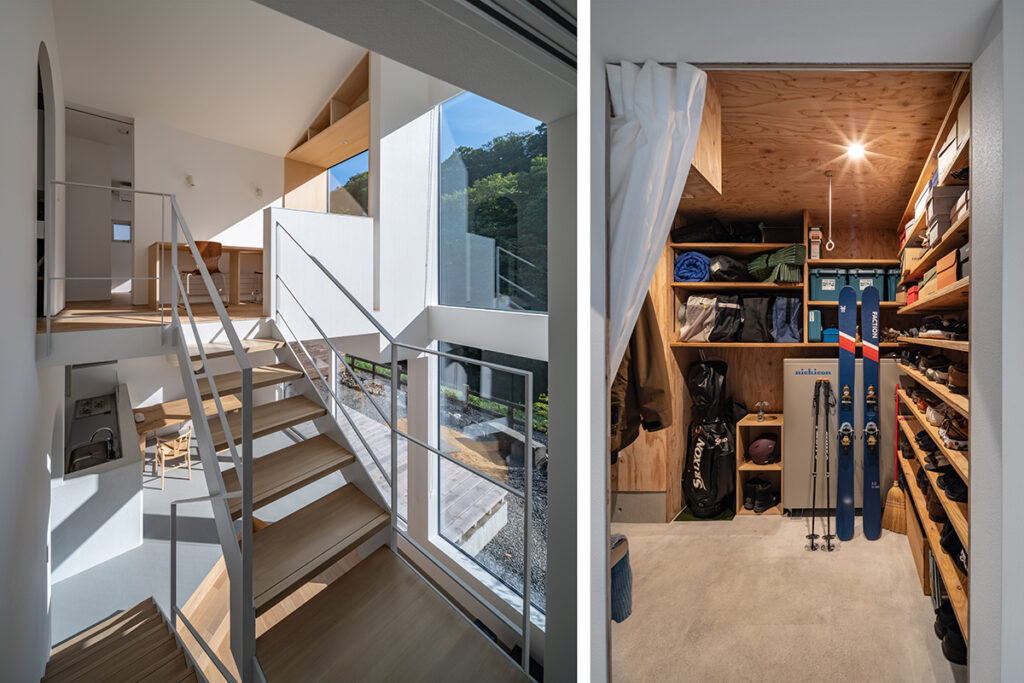
Hokkaido also has long stretches of pleasant weather, and I always tell people to visit for spring’s fresh air, the low-humidity summer days or the dramatic autumn light. When building a home in Niseko, I like to build in large openings for natural ventilation, terraces, and intermediate spaces between the interior and exterior.
Even outdoor elements such as deciduous trees pull double duty: shade in summer, then bare branches that let the gentle rays of the winter sun reach deeper into the house once the leaves drop.
Any advice for someone considering buying or building a home in Niseko?
Think beyond the ski season.
A well-designed home there should still have elements you love in spring, summer and autumn too. Prioritise glazing and insulation quality over size; large, high-performance windows will do more for your comfort and connection to the landscape than additional square footage will.
Most importantly, be honest with your architect about what matters most to you, whether that’s material texture, spaciousness or a particular way of living. The best results come from bringing your own priorities, an international perspective, and Hokkaido’s climate and craftsmanship together into one coherent design.