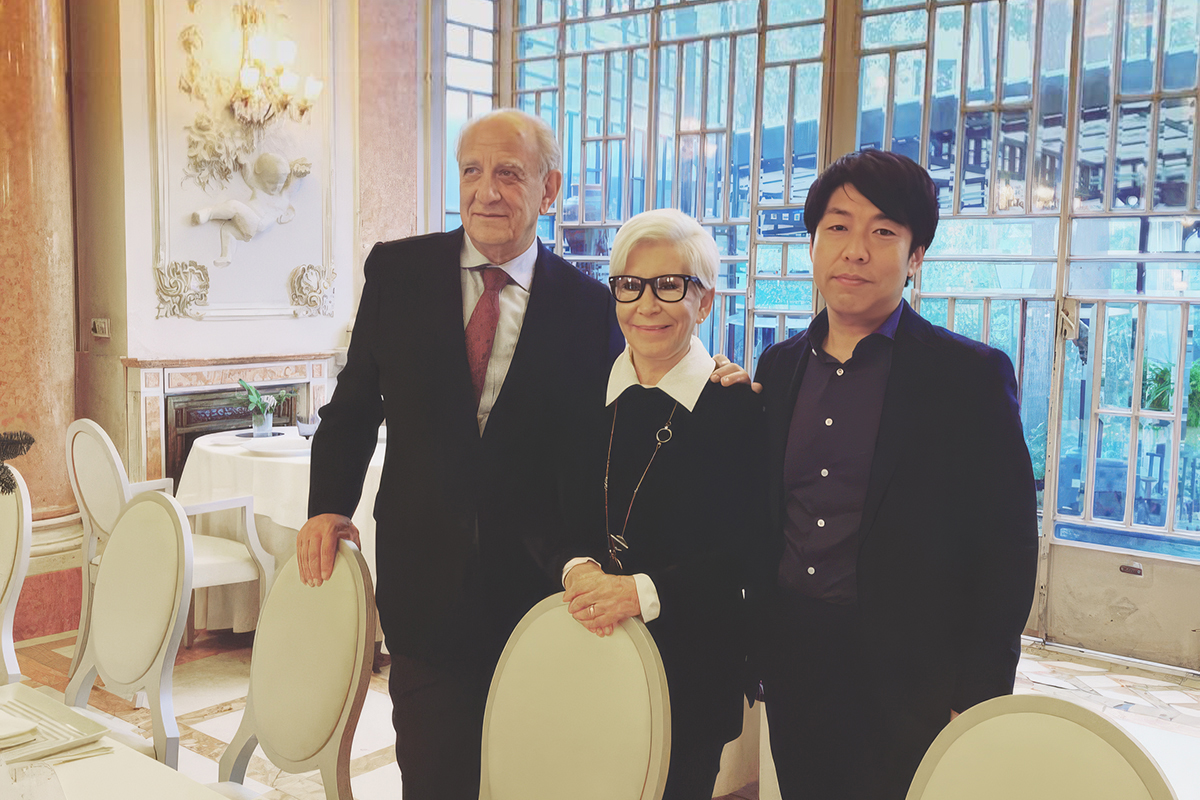
Working as a consultant who travels the world, I’ve had the privilege, through my work, of meeting people I would otherwise never encounter, and of being welcomed into places rarely opened to outsiders. This is one of the encounters that has stayed with me the most.
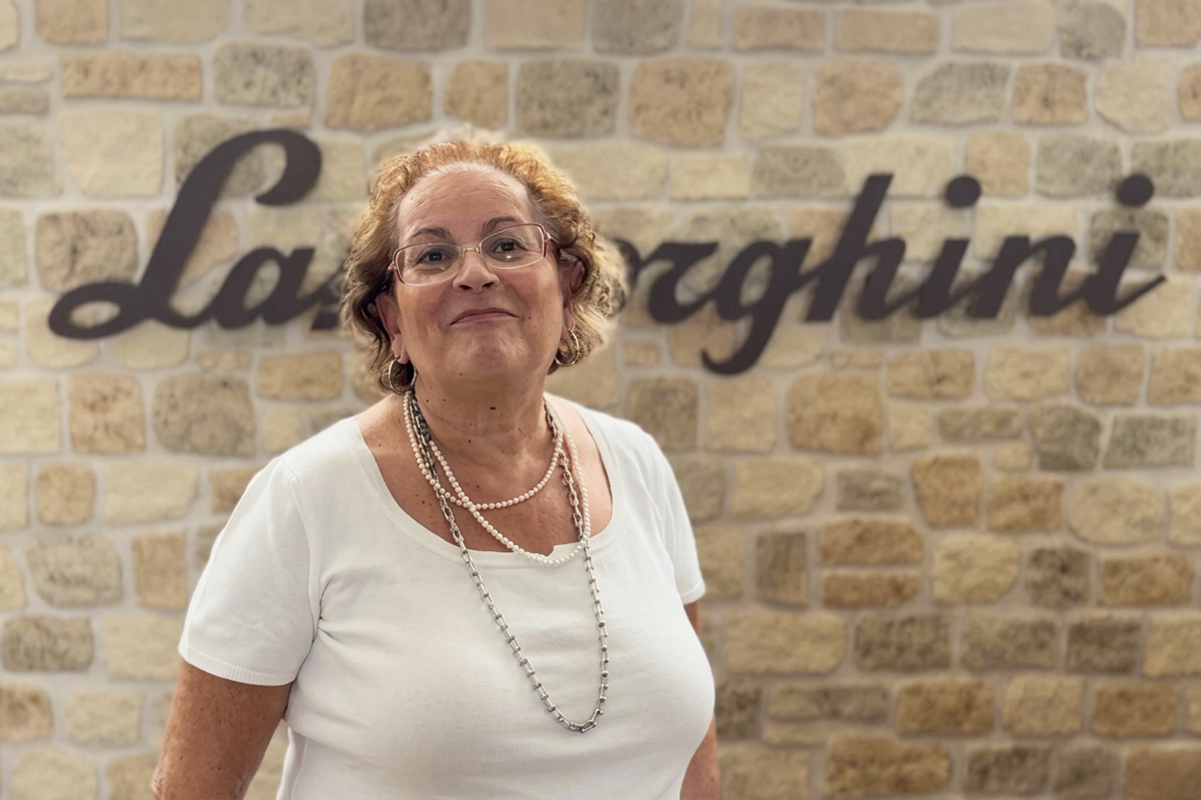
Some time ago, I had the opportunity to interview Anna Fendi in Rome.
Who is Anna Fendi?
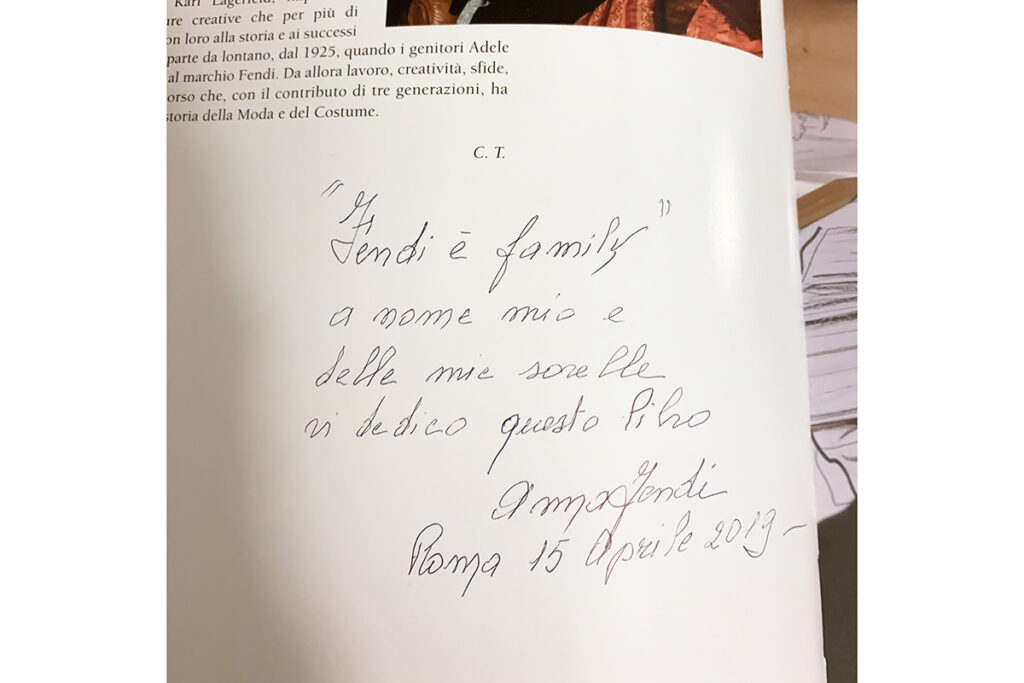
Anna Fendi is the daughter of Adele and Edoardo Fendi, who founded Fendi in Rome in 1925, and one of the five sisters who inherited the brand. Alongside her sisters, she helped build Fendi’s growth, and in particular laid much of the creative and design foundation that connects directly to the Fendi of today.
Small moment of humility, the day before
The day before meeting her, I was at an outlet near Milan with some friends. Since I would be meeting her the next day, I didn’t want to appear disrespectful in front of a world-renowned designer, so I thought I should wear something from Fendi. I went into a shop and looked through scarves and sweaters, but because it was the Christmas season, nothing I liked was left. In the end, I left without buying anything.
Meeting her in Rome
The next day, I traveled to Rome and visited the boutique hotel she owns — known as one of the most romantic spots in the city.
She greeted me at the entrance with a smile, and her outfit was strikingly simple: a black-focused look, a white shirt and black Ray-Ban glasses. No large logos, nothing that announced who she was through her clothing. And yet, she looked incredibly stylish. I could sense a refinement, an elegance, a taste cultivated over decades, radiating naturally from her.
Seeing her like that, I felt a little embarrassed about having thought, the day before, “I should wear a Fendi logo to meet her.” It had been meant as a gesture of respect, but looking back, it now feels somewhat superficial. Now, I’m almost grateful that everything I liked had already sold out.
Inside hotel built from memory
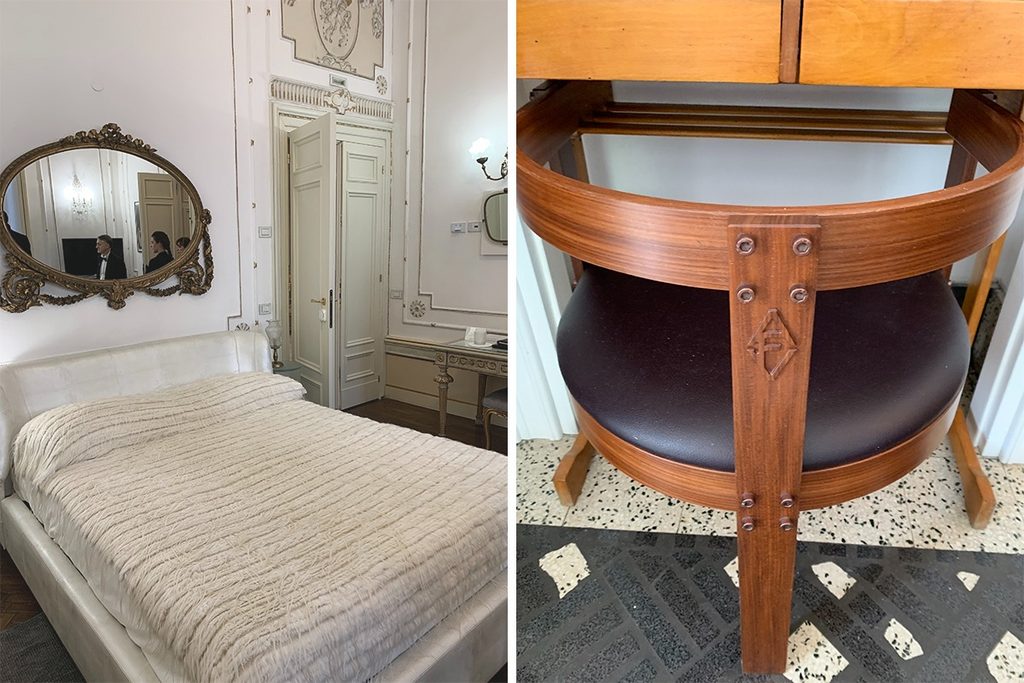
Afterward, she showed me around the hotel. Each room held portraits of the Fendi family, along with works that spoke to the history of her journey as a Fendi designer. It wasn’t simply a matter of photographs and paintings on display. Room by room, the space itself seemed to embody her design philosophy and the Fendi family’s history.
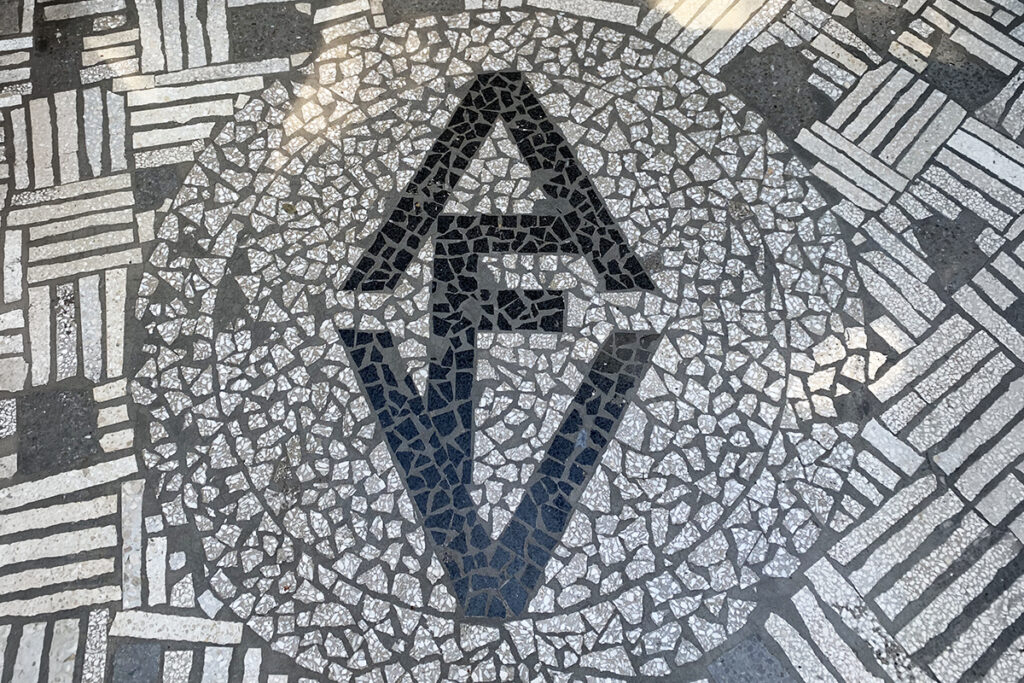
What struck me most was her attention to detail. Even in the tiles and stonework on the floors and walls, the logo and design motifs of her brand, AFV, were woven in — her ideas present down to the smallest detail. The hotel felt less like a place to stay and more like a space that expressed the life, aesthetic and history of a single designer: Anna Fendi.
Lunch, warmth and a woman still curious about the world
She then treated me to a meal at the hotel restaurant. Rather than launching straight into the interview, she first created a relaxed atmosphere over food — a natural kind of thoughtfulness that let me feel her warmth. During the meal, she said, “You must be tired from the long trip,” looking out for me. Then, laughing, she added:
“There are still so many places in Japan and Asia I want to visit. Traveling is tiring, but I’m still curious enough to want to go.”
Later, I quietly asked a staff member her age. She was already in her eighties at the time. What came through in her words was a passion that made age feel irrelevant.
Creator still shaping new ideas
After the meal, we sat down for the interview proper. Beyond Fendi Casa, the interior design brand she launched in 1988, she had also developed a new brand, AFV, centered on wine and tableware — a range of design work spanning from furniture to lifestyle.
What struck me was that she wasn’t simply recounting past achievements. She was still actively shaping new ideas and passions through her work and design in the present.
Thinking up new things, and actually bringing them into being as products and spaces. I felt, in her, something close to the essence of what it means to be a creator. To keep holding onto your own ideas and passions, regardless of age, and to keep giving them form. Anna Fendi seemed to embody exactly that, quite naturally.
When the conversation turned to work, she became very serious. At times, her words carried real severity — the kind that only comes from decades spent at the forefront of global fashion and design. At the same time, spending that time with her, I could feel just how warm a person she truly was.
“Mamma mia!”: A living memory of an era
One moment made that especially clear. After the interview, as we were talking, some Italian women who had come to the hotel café spotted her. The moment they saw her, they cried out:
“Mamma mia!”
— and burst into tears.
That scene has stayed with me vividly. It wasn’t simply because she had built a world-famous brand. To the Italian people, she seemed to represent something like a living memory of an entire era.
The history of a brand isn’t built through sales figures or store count alone. It’s built slowly, over decades, as it becomes intertwined with people’s memories and lives — that’s when it truly becomes a brand in the fullest sense.
This interview later went on to generate a significant response in China as well. It was viewed nearly 1 million times within an hour of release, and the attention it — along with the broader body of work it was part of — received led to my later being honored by Chinese media. But even now, looking back, what stays with me isn’t the numbers or the recognition. It’s the image of Anna Fendi herself, standing before me that day in Rome.
Satoshi’s luxury definition
My time with Anna Fendi left me with a renewed sense of what luxury means to me. To me, luxury has never been about owning something expensive. It’s about where you go, who you spend your time with, what you experience and what you carry home as memory. Time, experience, the people you meet, culture and the stories behind them — that’s where the real value lies, I believe.
So for me, what luxury will mean going forward isn’t quite “Luxury” in the traditional sense. It’s closer to “Exclusive.”
- Not price, but access.
- Not ownership, but experience.
- Not status, but memory.
My time with Anna Fendi was exactly one of those moments. In this column, I want to write about my own definition of luxury — through the people, places, cultures and brands I encounter around the world, and the experiences that could only have happened there.