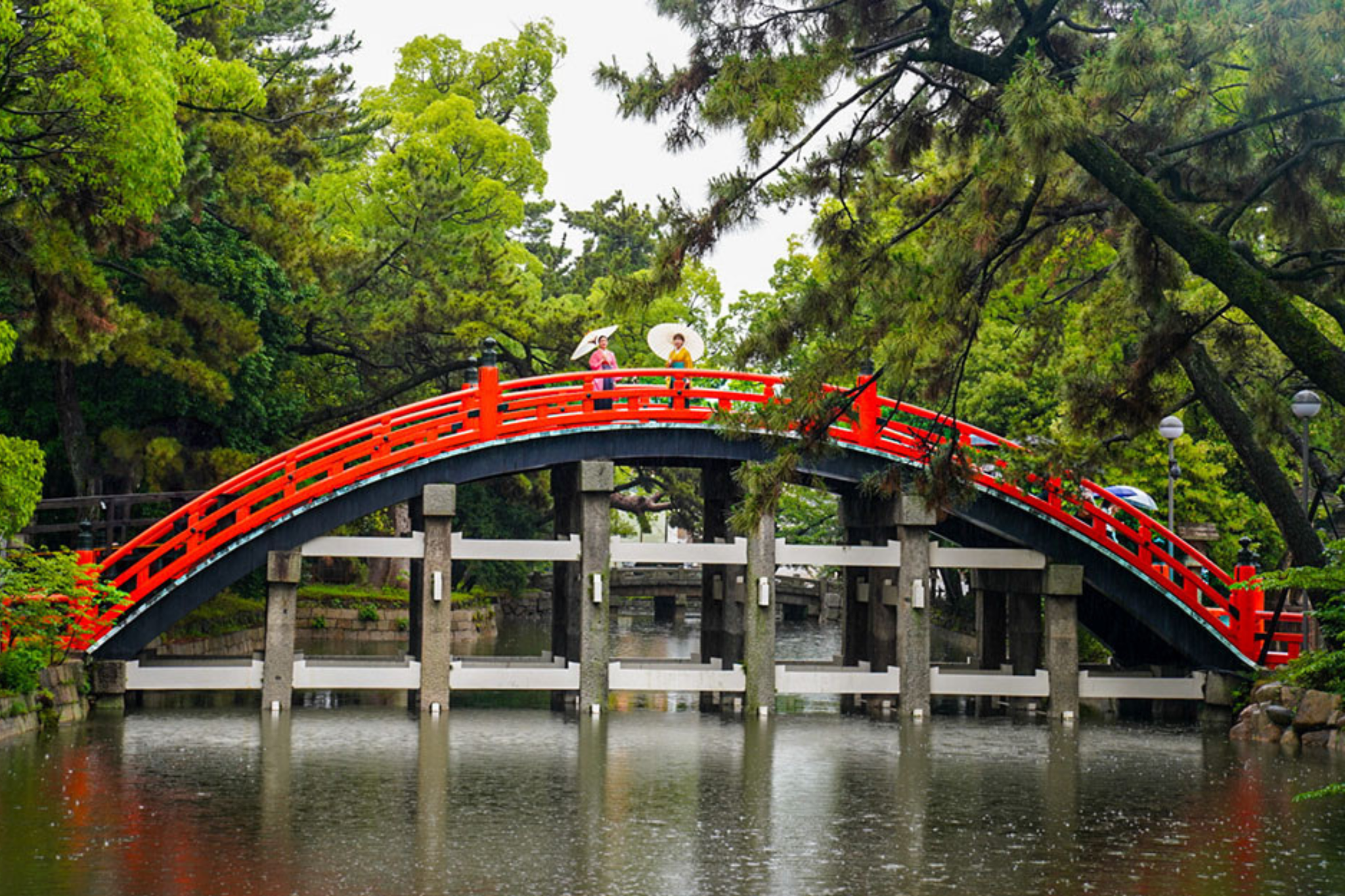
InterContinental Osaka’s Concierge team is launching an Insider Partnership program with Sumiyoshi Taisha, one of Osaka’s most venerable shrines. Dating back about 1,800 years, the shrine honors the trio of sea deities known as the Sumiyoshi Sanjin, alongside Empress Jingū, who founded the site in the third century. Her spirit was enshrined alongside them after her death.
What the insider partnership tour includes
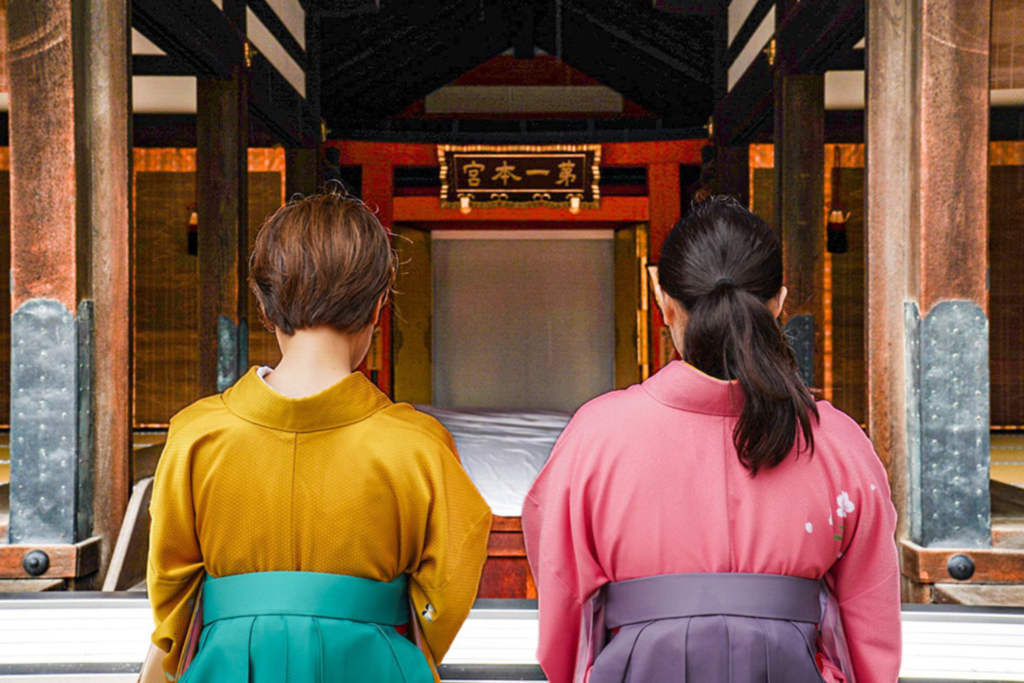
The program offers guests an exclusive cultural experience. All participants are provided with traditional Japanese dress for the visit, with suitable options available for gentlemen. The package includes:
- A private guided tour of the shrine grounds.
- A ceremonial blessing in the Kaguraden.
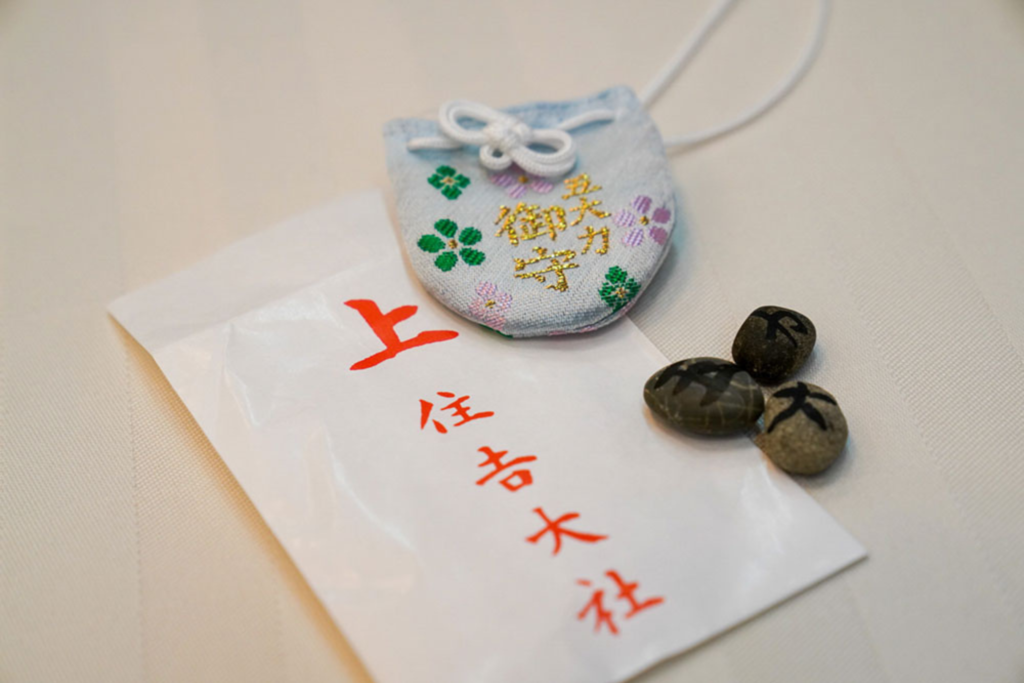
- An exclusive amulet given to guests.
- A private calligraphy session to conclude the experience.

Sumiyoshi Taisha: History and cultural significance
Sumiyoshi Taisha is regarded as the head shrine of all Sumiyoshi shrines in Japan. It has stood over Osaka Bay for nearly 2,000 years, spiritually protecting the port of Osaka and the inland imperial capitals of Nara and Kyoto. Between the seventh and ninth centuries, the nearby Naniwa harbor was a departure point for diplomatic missions to the Asian mainland. During the Edo period (1603–1867), it served as the base for a major domestic trade route.
Because of this maritime history, the shrine has long been linked with the sea. People involved in fishing, shipping and other maritime industries still visit to pray for safe voyages.
Over the years, the focus of worship expanded beyond the original maritime gods. Today, the shrine is also associated with poetry, the performing arts, sumo wrestling, success in business and love, and the safe delivery of babies. Affectionately called “Sumiyossan” by Osaka residents, the shrine appears in ancient folktales and modern literature, including a short story by Nobel Prize-winning author Yasunari Kawabata, who is honored with a memorial on the grounds.
Architecture and festivals
Originally, the four main sanctuaries were rebuilt every 20 years, a practice interrupted by civil war in the 16th century and abandoned entirely in the early 19th century. The current sanctuaries were built in 1810 and are designated as National Treasures. Other structures, including an early 17th-century stone stage, are Important Cultural Properties.
The site is famous for its rites and festivals. Each January, 2 million people visit for hatsumōde, the traditional first shrine visit of the year. Other major events include the midsummer Sumiyoshi Matsuri (which climaxes in a parade of portable shrines), a ritual rice planting in June, and an early autumn moon-viewing celebration featuring music, dancing and readings of traditional poetry.
InterContinental Osaka amenities
Located in a vibrant district, InterContinental Osaka blends sophisticated design with exceptional service, providing guests with unmatched comfort, culture and convenience. The hotel features:
- 272 rooms, including residence rooms.
- Five restaurants and bars.
- Pierre, a Michelin-starred specialty restaurant honored for nine consecutive years.