Japan’s luxury fashion market stands out as one of the most sophisticated and resilient segments in the global luxury industry and is set to grow to $15.68 billion by 2035, according to New York-based Market Research Future (MRF). “Rooted in deep cultural appreciation for craftsmanship, quality and brand heritage, Japan has long been a priority market for leading luxury fashion houses. Valued at $10.84 billion in 2024, the market is projected to reach ¥11.21 billion in 2025, when figures are released, and $15.68 billion within a decade, registering a steady Compound Annual Growth Rate (CAGR) of 3.42% during 2025-2035. This growth reflects Japan’s ability to balance tradition with modern luxury consumption patterns.”
Luxury fashion in Japan is no longer limited to exclusivity and status; it is increasingly defined by sustainability, digital engagement, and experiential retail. Japanese consumers are highly informed, detail-oriented and loyal to brands that demonstrate authenticity and ethical values. This evolving mindset is reshaping how global and domestic luxury brands position their products, communicate value and design long-term strategies in the Japanese market.
The competitive landscape of the Japan luxury fashion market is dominated by established global players with strong brand equity and extensive retail networks. Key companies profiled include LVMH, Kering, Hermès, Chanel, Dior, Gucci, Prada, Burberry, Versace and Fendi. These brands continue to invest in flagship stores, limited-edition collections for Japan and personalized customer experiences. Competition is driven by innovation in materials, storytelling and omnichannel retail strategies, while brand heritage remains a decisive differentiator in purchasing decisions.
“From a growth perspective, several factors are fueling the expansion of the market. Rising disposable income among urban consumers, a strong gifting culture and the enduring appeal of luxury goods as long-term value investments all contribute to demand. Additionally, inbound tourism-particularly from other Asian economies-has historically played a key role in luxury sales, and its gradual recovery continues to support market growth. Digital transformation, including e-commerce, virtual styling and AI-driven personalization, is further enhancing customer engagement across age groups,” a press release from MRF said.
Sustainability has emerged as one of the most influential market dynamics shaping the Japan luxury fashion industry. Consumers are increasingly prioritizing environmentally responsible sourcing, ethical labor practices and transparency across the supply chain. In response, luxury brands are integrating recycled materials, circular fashion initiatives and carbon-reduction strategies without compromising on quality or exclusivity. This shift toward sustainable luxury is not only driving innovation but also intensifying competition, as brands race to align with Japan’s high ethical standards.
In terms of segmentation, the market is analyzed by product type, consumer group and distribution channel. Apparel, footwear, handbags and accessories continue to dominate product demand, while women remain the largest consumer group, followed closely by men and a growing base of younger luxury consumers. Distribution channels are evolving rapidly, with offline boutiques retaining importance for experiential value, while online channels gain traction due to convenience, authenticity assurance and enhanced digital interfaces tailored to Japanese consumers.
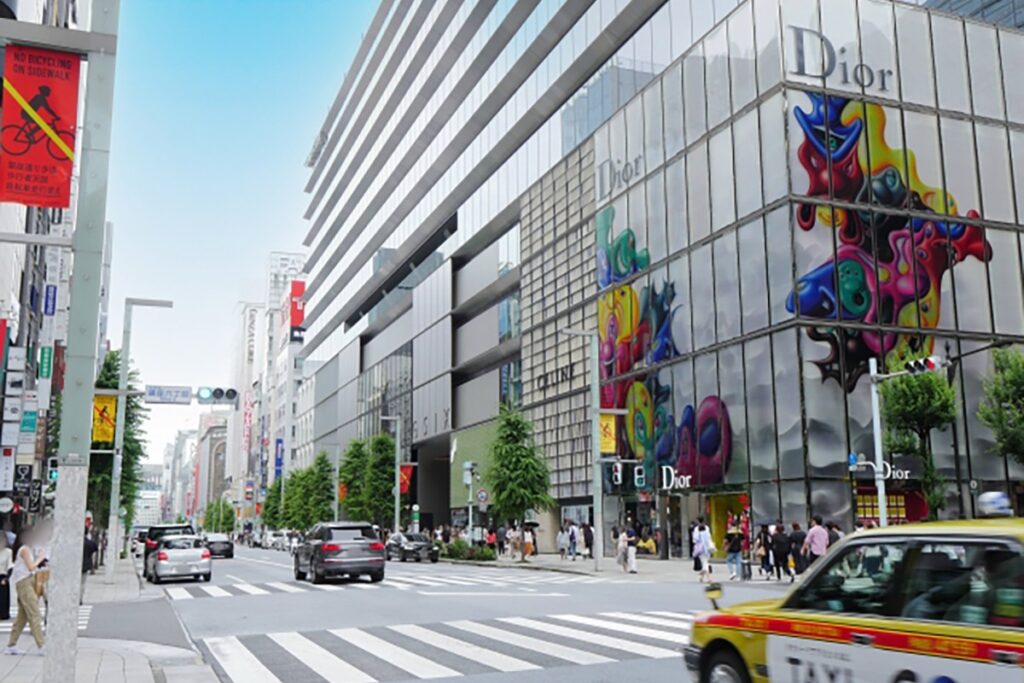
Regional analysis indicates that major metropolitan areas such as Tokyo, Osaka and Yokohama account for the largest share of luxury fashion consumption. Tokyo, in particular, serves as a global luxury hub, hosting flagship stores, fashion events and trendsetting districts such as Ginza and Omotesando. These regions benefit from high purchasing power, dense retail infrastructure and a strong concentration of both domestic and international consumers. Meanwhile, secondary cities are gradually emerging as growth pockets due to improved retail access and rising brand awareness.
The report concluded by saying the Japan luxury fashion market presents significant opportunities through the integration of digital innovation and sustainable practices. “Brands that successfully combine heritage craftsmanship with technology-driven personalization and environmental responsibility are expected to gain a competitive edge. With a forecast period extending to 2035, the market offers stable, long-term growth potential supported by loyal consumers, evolving lifestyles and continuous brand reinvention.”
FAQs
What is the current size of the Japan luxury fashion market?
The market was valued at $10.84 billion in 2024 and is projected to reach $11.21 billion in 2025.
What is the expected growth rate of the market through 2035?
The Japan luxury fashion market is expected to grow at a CAGR of 3.42% from 2025 to 2035 when it will reach $15.68 billion.
Which factors are driving growth in Japan’s luxury fashion industry?
Key drivers include rising disposable income, strong brand loyalty, sustainable fashion adoption, digital innovation and experiential retail.
Who are the major players in the Japan luxury fashion market?
Major companies include LVMH, Kering, Hermès, Chanel, Dior, Gucci, Prada, Burberry, Versace and Fendi.
What opportunities exist for brands in this market?
Opportunities lie in sustainable luxury, digital transformation, personalized experiences and expanding reach beyond major metropolitan areas.